Summer arrives, and with it the pressure on pools, gyms and spas. Capacity stays the same, guests multiply, and the margin for mismanaging attendance shrinks to zero. A fifteen-minute queue to get into the pool can instantly undo all the work that goes into a good NPS score.
The real problem behind overcrowded spaces
Managing capacity in a resort hotel is not just a matter of comfort. It directly affects guests’ perception of value, staff workload, and — in many markets — compliance with safety regulations.
The most common scenario during peak season is well known: a gym with a capacity of twenty that is already full at nine in the morning, guests approaching without knowing if there is space, and a lifeguard or receptionist who ends up acting as a doorman because there is no automated system to inform or regulate access.
The outcome is predictable. The guest gets frustrated, the employee handles a situation they were never hired for, and the hotel loses on the two fronts that matter most: guest satisfaction and team efficiency.
What is striking is that this problem rarely appears in management reports as an investment priority. It is treated as something inherent to summer operations — a minor inconvenience. Yet when satisfaction surveys are analysed, facilities and waiting times consistently rank among the worst-rated items in beach and resort hotels during peak occupancy months.
Crowd control in hotels is not a technological indulgence. It is a direct response to an operational problem with measurable consequences for NPS, online reputation and the overall perception of the stay.
An approach based on visibility and anticipation
The solution is not to hire more staff or to put up “capacity full” signs on the spa door. It is about providing real-time visibility into the status of each facility — both for guests and the operations team.
The principle is simple: if a guest knows before leaving their sun lounger that the gym has available capacity, they will not walk all the way there only to find a closed door. If the operations manager can see from the control panel that the pool area has been at full capacity for two hours, they can make decisions before the complaint arrives.
Hoteligy’s Crowd Control module works precisely on this logic. Access to each space is monitored in real time, the team has centralised visibility, and guests can check the status of facilities directly from the Guest WebApp — no app download required. The information arrives before the problem is triggered.
This approach changes the role of staff: from reactive to proactive. Instead of managing queues and explaining why access is not possible, the team can spend that time delivering a differentiated experience. Which is, ultimately, what they were trained to do.
There is also a direct impact on the management of paid spaces such as the spa or padel courts. When there is real capacity control and guests can book a time slot, the service is perceived as higher value and the monetisation of those spaces improves without raising prices.
How to implement it without complicating operations
The question management teams typically ask is a fair one: how much additional operational load does implementing a crowd control system generate? The honest answer is that it depends on the starting point, but in most cases the adoption curve is short if the system is well integrated with the channels guests already use.
These are the most common steps in a practical implementation:
Identify the critical spaces. Not every space in a hotel needs the same level of control. The main pool, gym and spa are usually the three highest-friction points. Start there and scale later to secondary areas such as games rooms, children’s zones or sports courts.
Define real capacity by time slot. Maximum capacity at eight in the morning is not the same as at eleven. A well-configured setup takes into account historical usage patterns and sets operational limits, not just legal ones. Input from the operations team is key here.
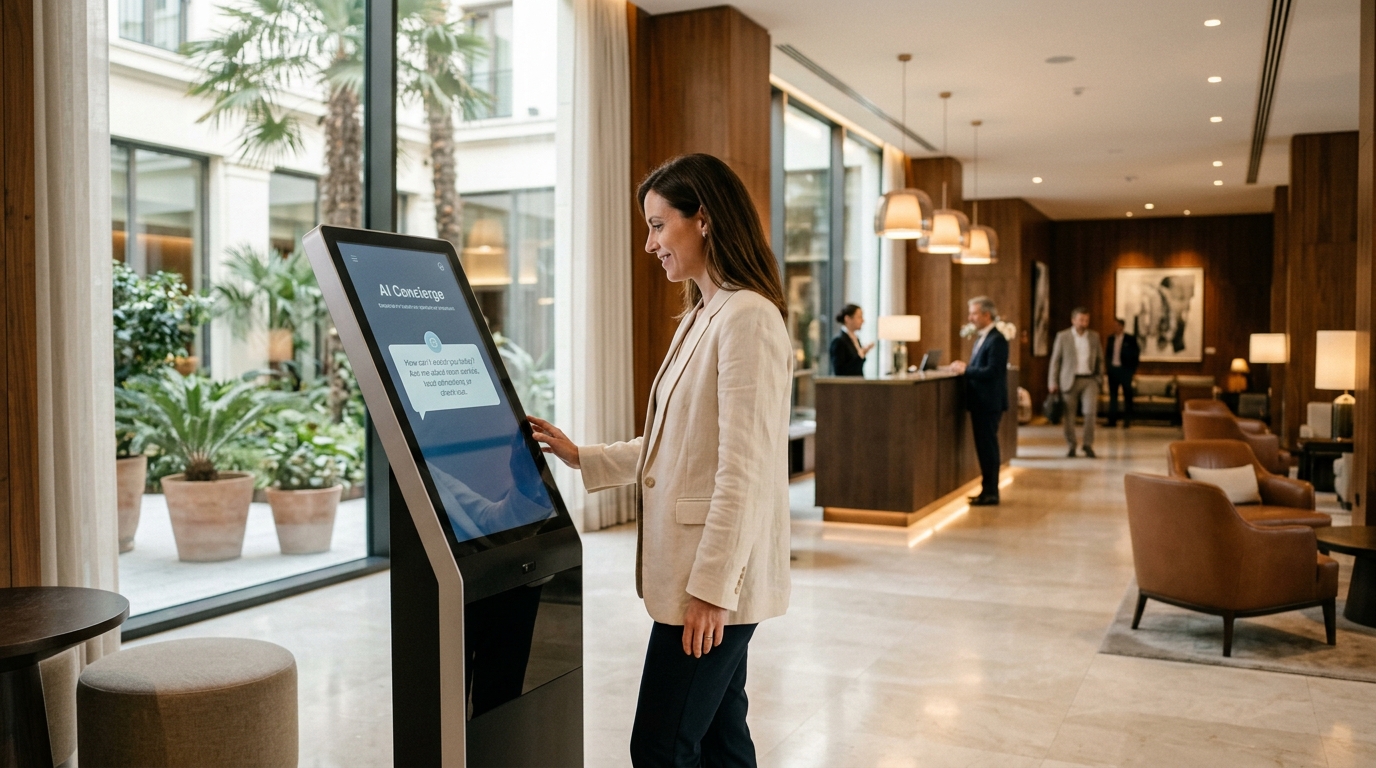
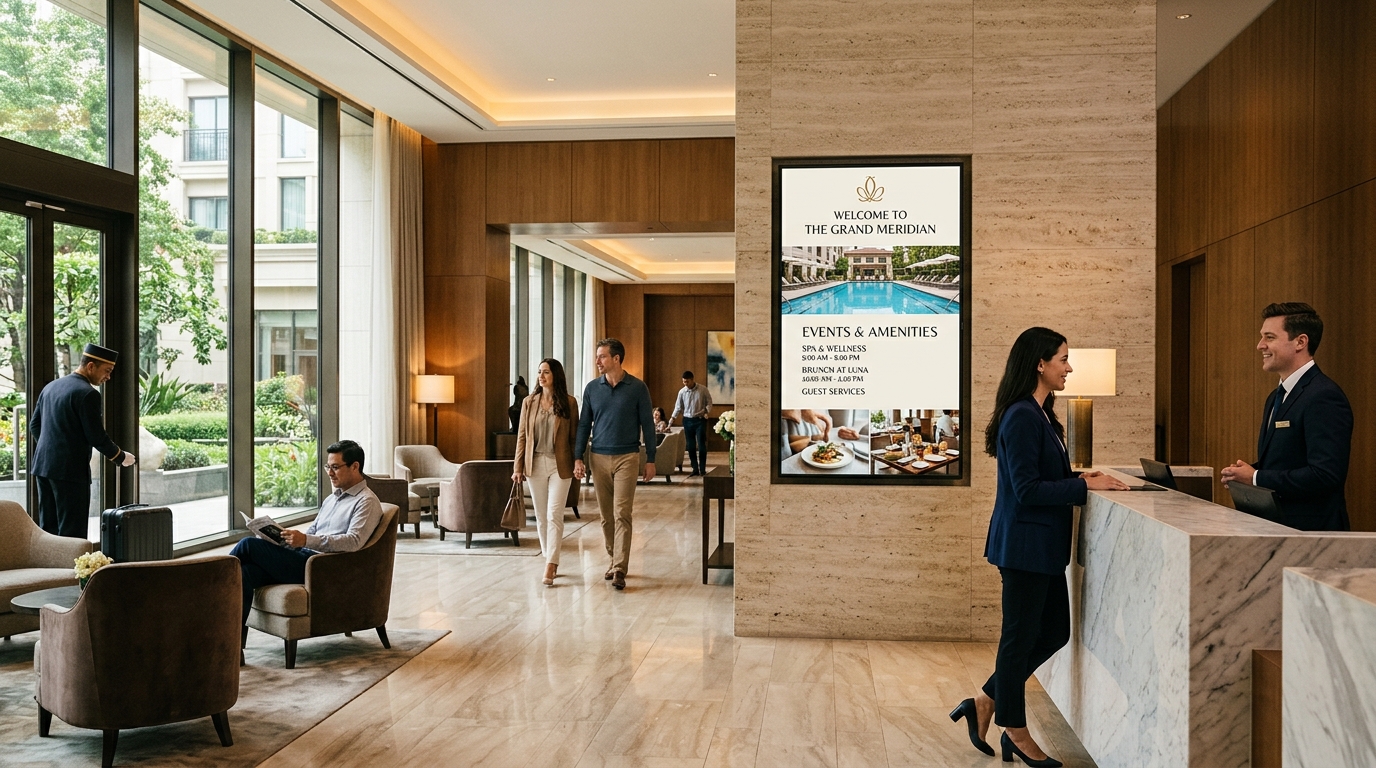
Connect the data to guest-facing channels. Having the data is worthless if guests cannot see it. Integrating capacity status into the Guest WebApp, the hotel’s Digital Signage panels and interactive kiosks in common areas ensures the information reaches guests before they set off. Fewer wasted trips, less frustration.
Train the team on the control panel. The system does not replace staff — it equips them better. The operations team needs to know how to read the panel, how to respond to capacity alerts, and how to communicate facility status to guests proactively. A two-hour training session is usually sufficient.
Review the data at the end of the season. Attendance records by space, time slot and day are a valuable operational asset. They allow you to anticipate staffing needs, adjust booking policies for paid facilities, and make capacity investment decisions based on real data, not intuition.
One aspect that is frequently overlooked: crowd control also has value in the low season. A gym with three people at seven in the evening can actively communicate this to drive usage during quiet periods. Visibility works in both directions.
Conclusion
Crowd control in hotels is one of those operational problems that becomes normalised until it starts appearing in Booking or TripAdvisor reviews. Managing access to pools, gyms and spas with real-time visibility is not added complexity: it is a way to protect the guest experience and team efficiency during the most demanding moments. With the right data, decisions are made before the problem ever reaches reception.
Want to see how the Crowd Control module works in a real environment? Request a demo at hoteligy.com/demo and we’ll show you the solution tailored to your property.