The concept of ancillary revenue originates in the airline industry, where companies offer complementary products and services at different stages of the customer journey. Ryanair is a classic example: from the moment of booking, it offers services such as insurance, car rental, boarding priority or food and beverage menus.
Revenue beyond the room
Hotels tend to focus on room bookings when talking about increasing revenue, but they shouldn’t overlook all the “extras” that can be sold:
- Late checkout
- Parking
- Spa treatments
- Airport transfers
- Romantic surprises
- Excursions
- In-house experiences
These are typical services that don’t get sold unless the guest specifically asks for them.
The strategic moment to promote
Services should be promoted at three key stages:
- During booking — In the hotel’s booking engine
- On arrival / check-in — At reception and in the webapp
- During the stay — Via push notifications, pop-ups and email
Hotel staff play a crucial role, but technology can provide support.
The digital solution
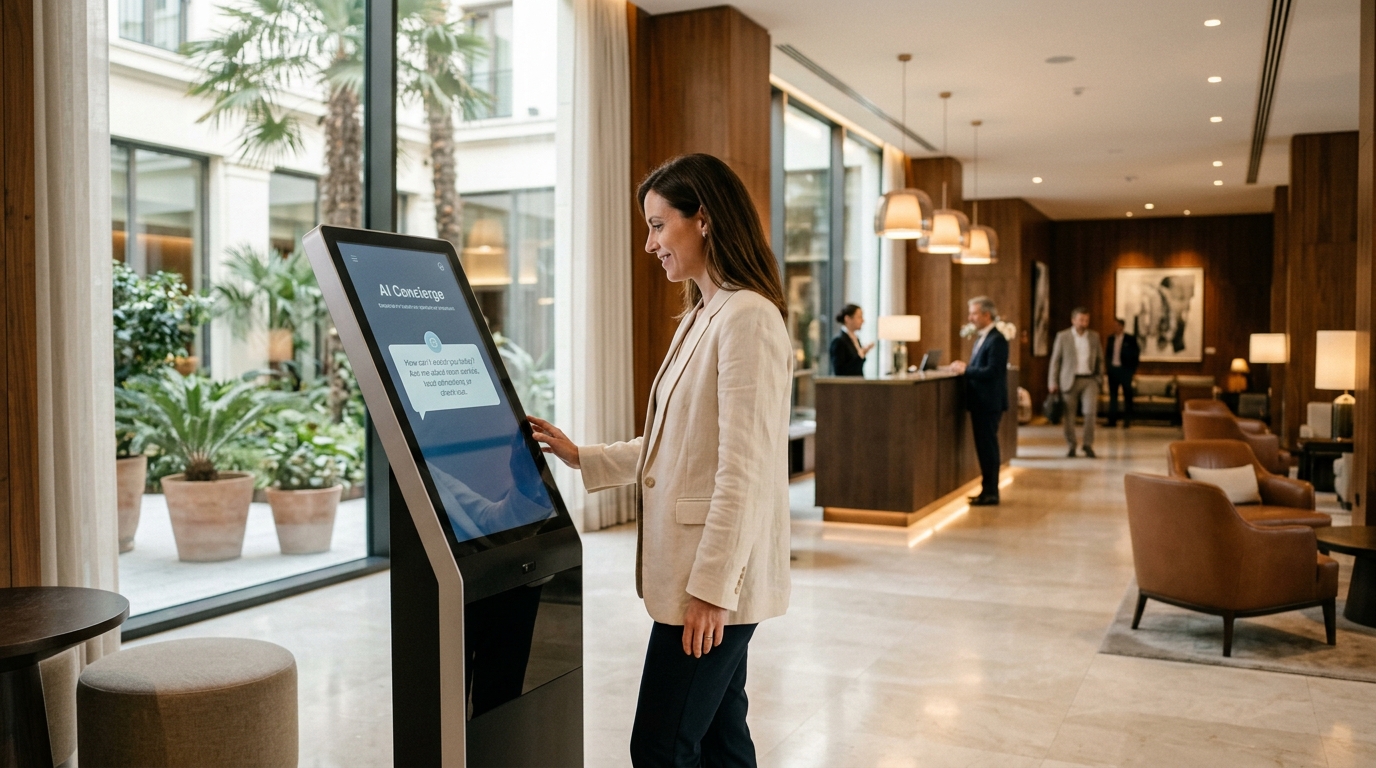
Creating an online store for additional services through the Guest App solves a key challenge: check-in is often chaotic, with tired guests who just want to get to their room as quickly as possible.
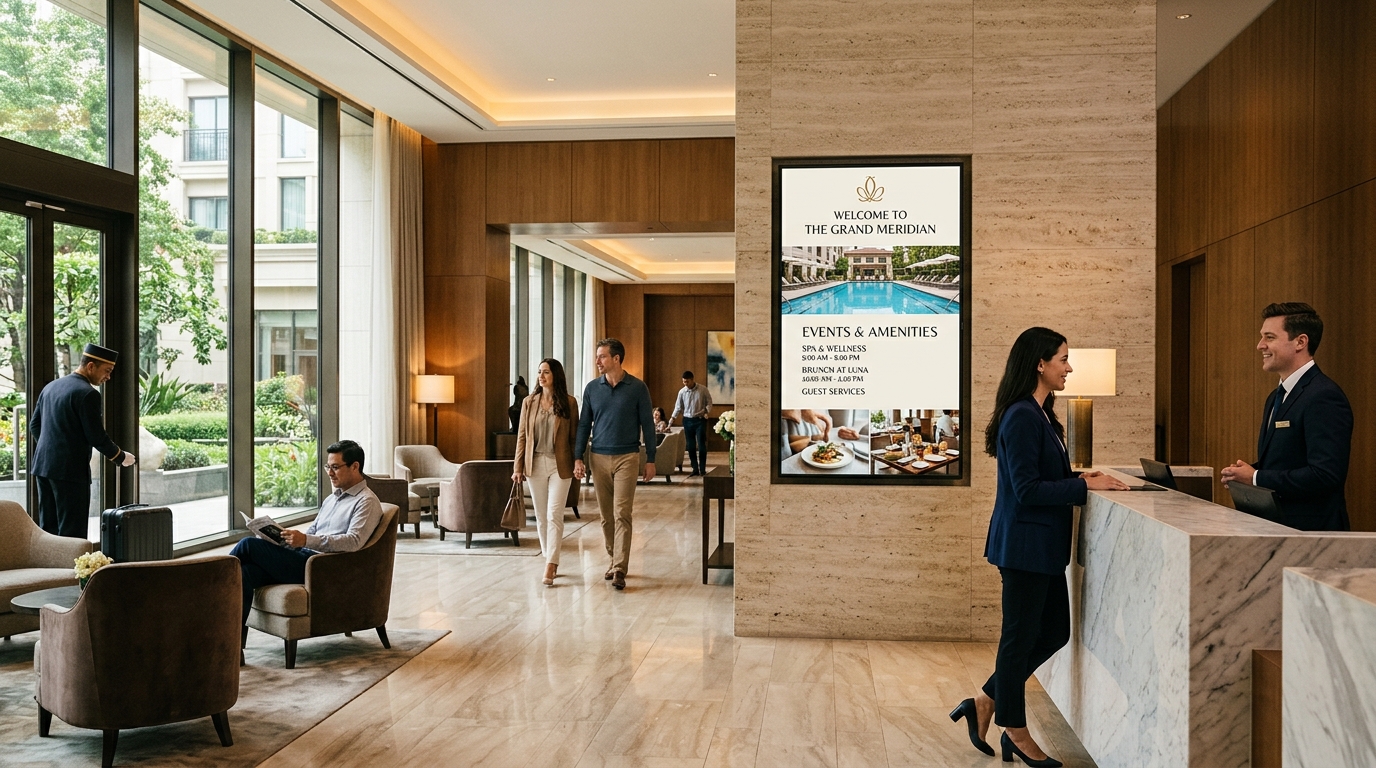
Digital tools allow these services to be presented in a subtle and elegant way, letting the guest discover and purchase extras at their own pace through the app.
The key is the harmony between staff and technology: the receptionist tells the guest about the app, and the guest selects what they want at their own discretion — no pressure.
Integrated payment
Guests can complete their purchases within the app using integrated payment gateways such as Redsys or Stripe, generating direct revenue from these complementary services without any friction.