Blog
Tips, trends, and news about hotel technology and guest experience digitalization.
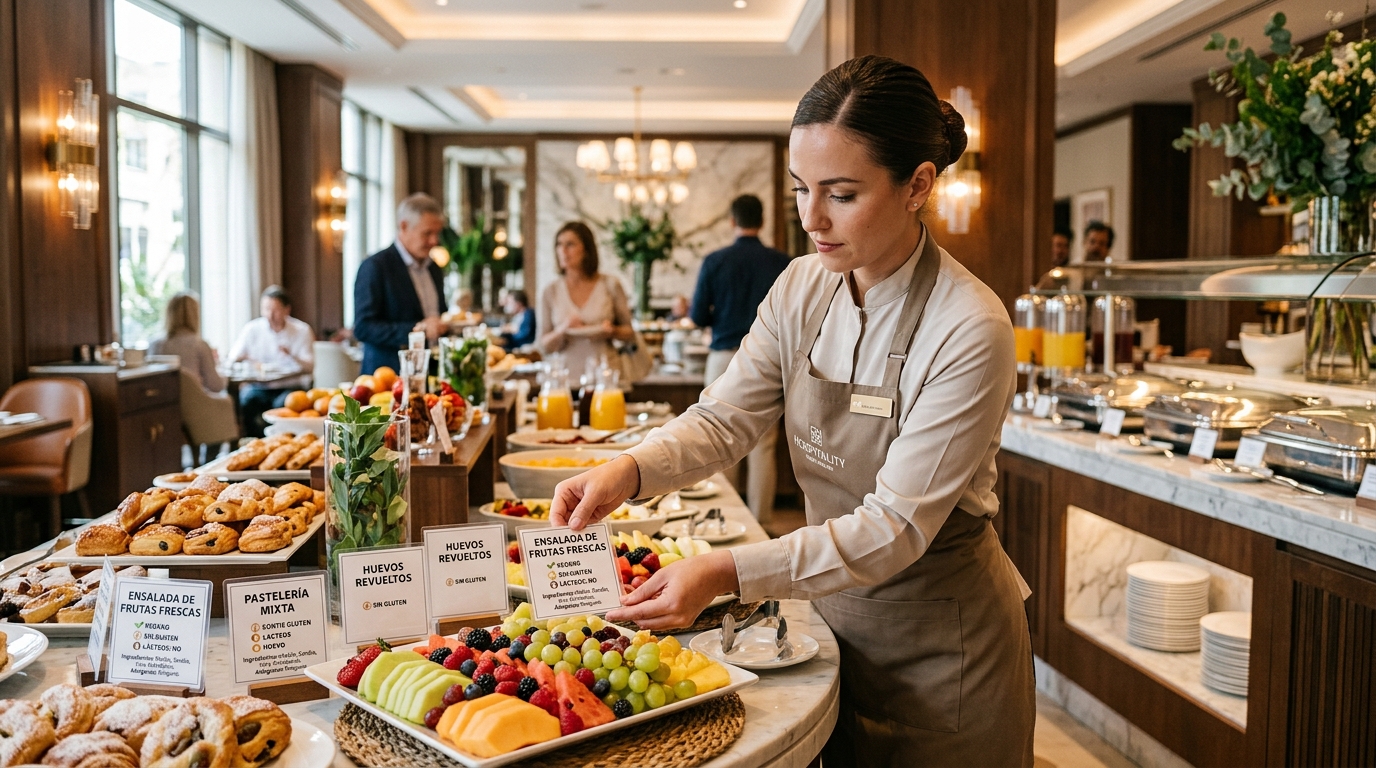
Hotel Buffet Labels: How to Reduce Complaints and Allergies
Discover how digital buffet labels reduce allergen complaints, improve NPS, and optimize F&B operations in high-volume hotels.
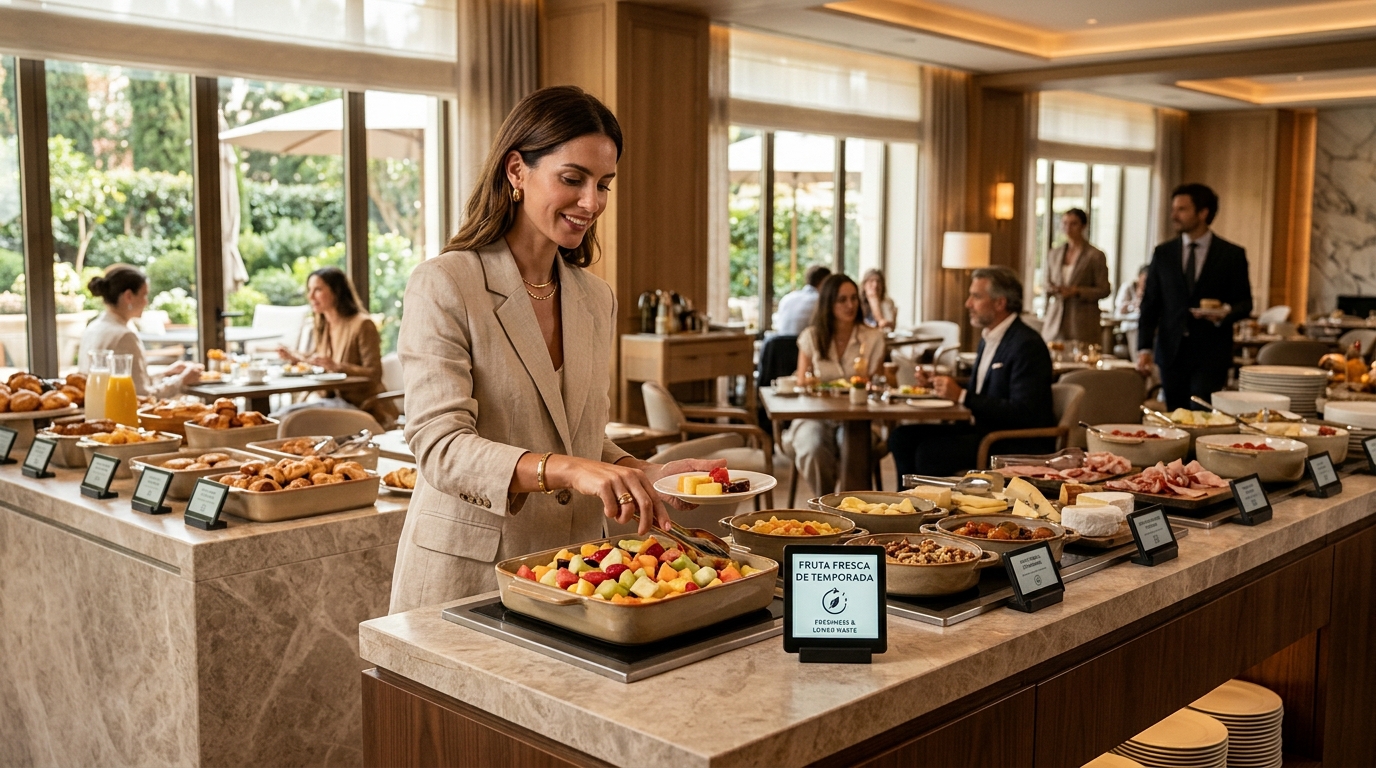
Digital Buffet Labels: Less Waste and Higher Satisfaction
How digital buffet labels reduce food waste, improve guest perception, and free up operational time in hotels and resorts.
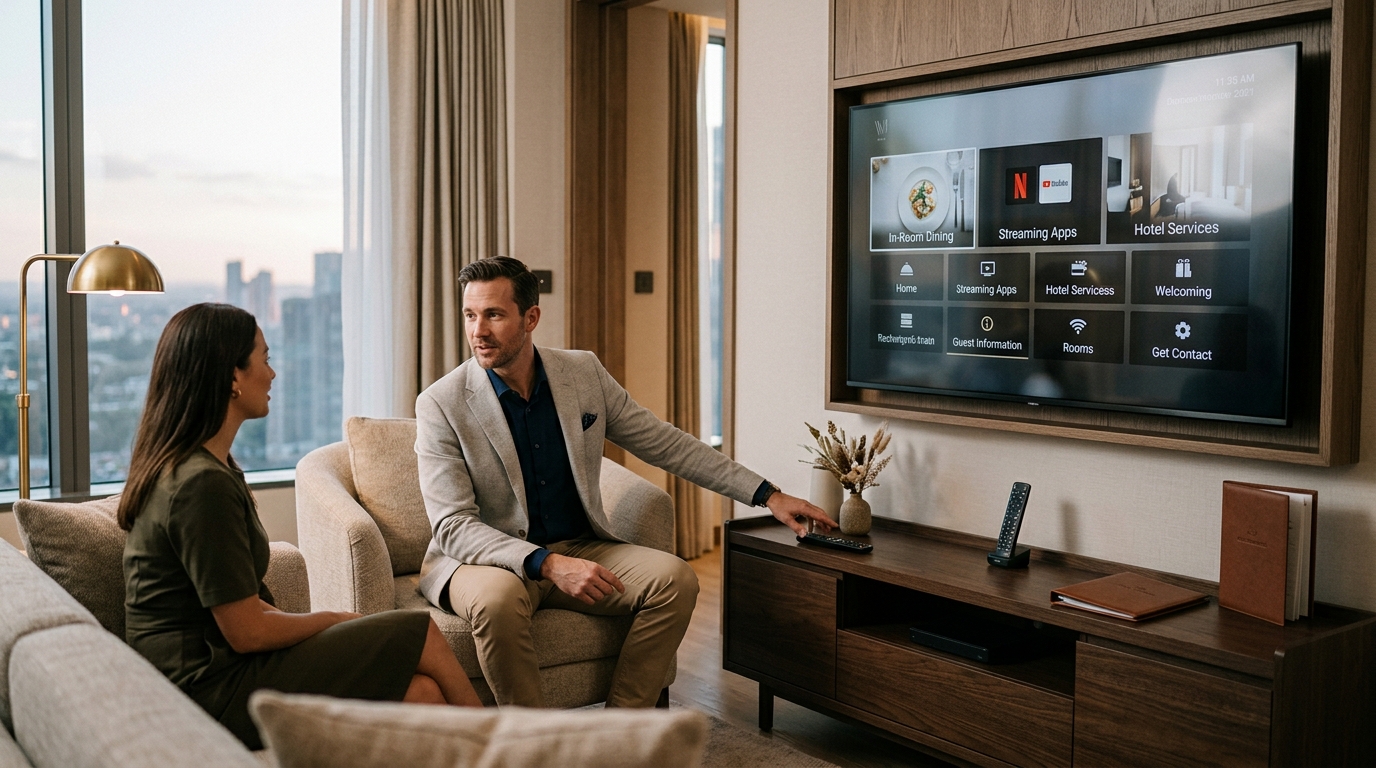
Hotel TV Solutions: How to Choose the Best Technology in 2026
A practical guide to hotel TV solutions in 2026: types, selection criteria, and how to turn the in-room television into a revenue channel.
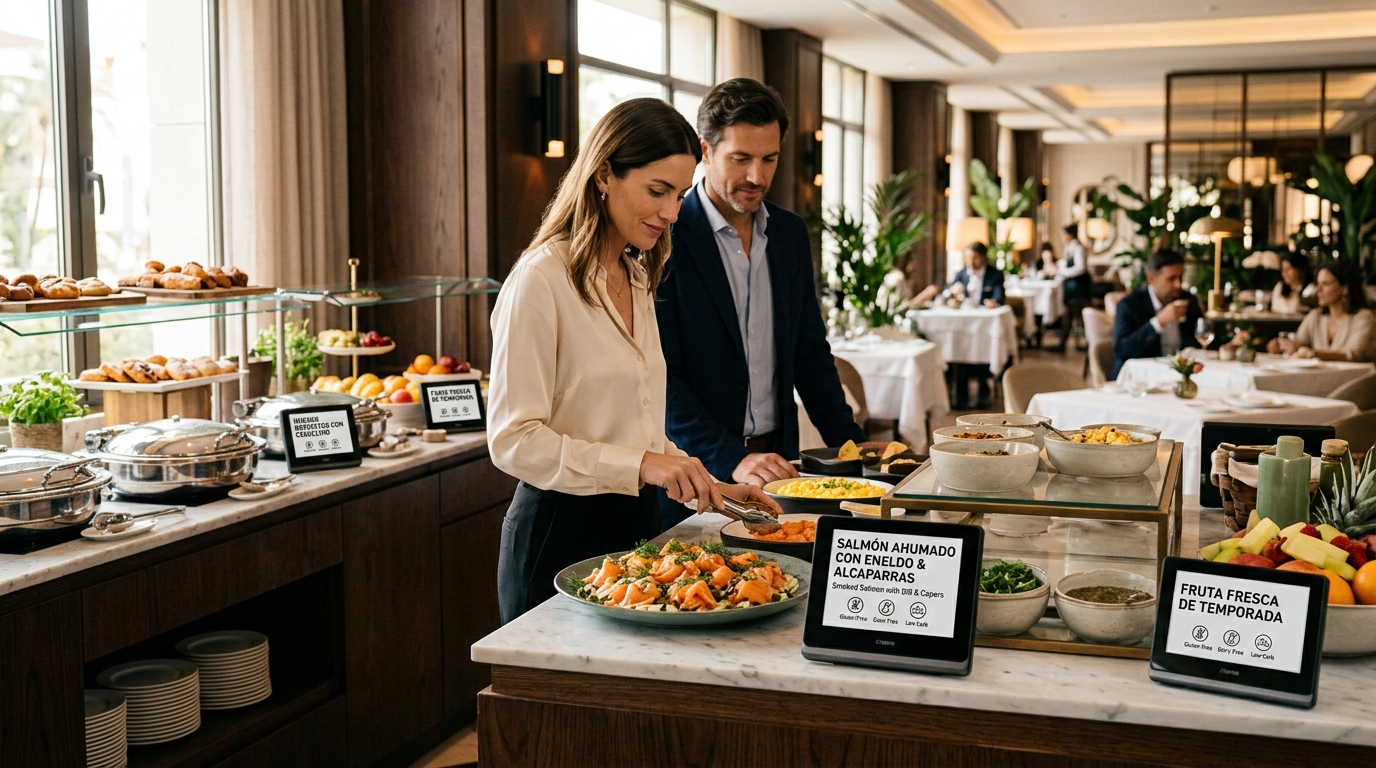
Digital buffet labels: fewer complaints, better experience
How digital buffet labels reduce allergen complaints, streamline dish rotation, and improve hotel operations.
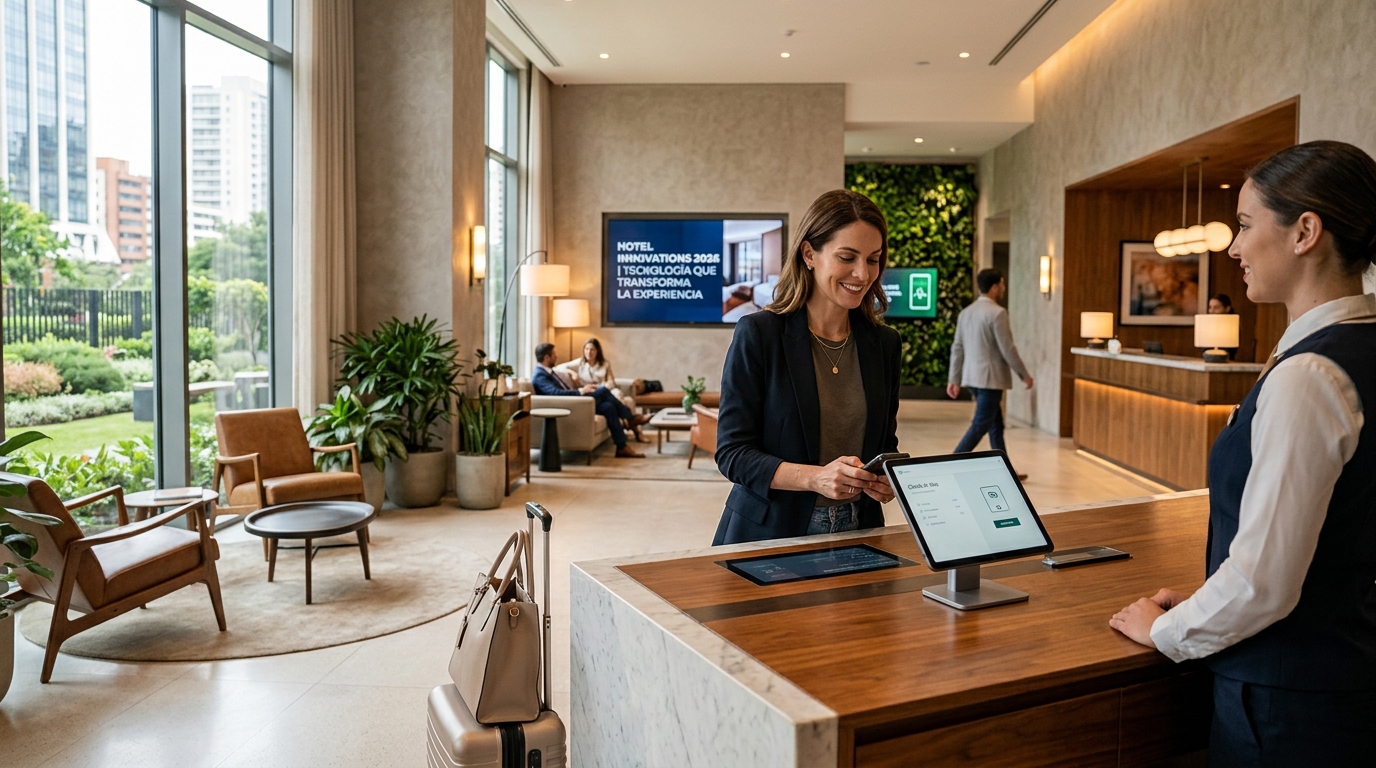
Hotel Innovations 2026: Technology Transforming the Experience
Discover the hotel innovations redefining the guest experience in 2026: WebApp, AI, signage, and connected operations.
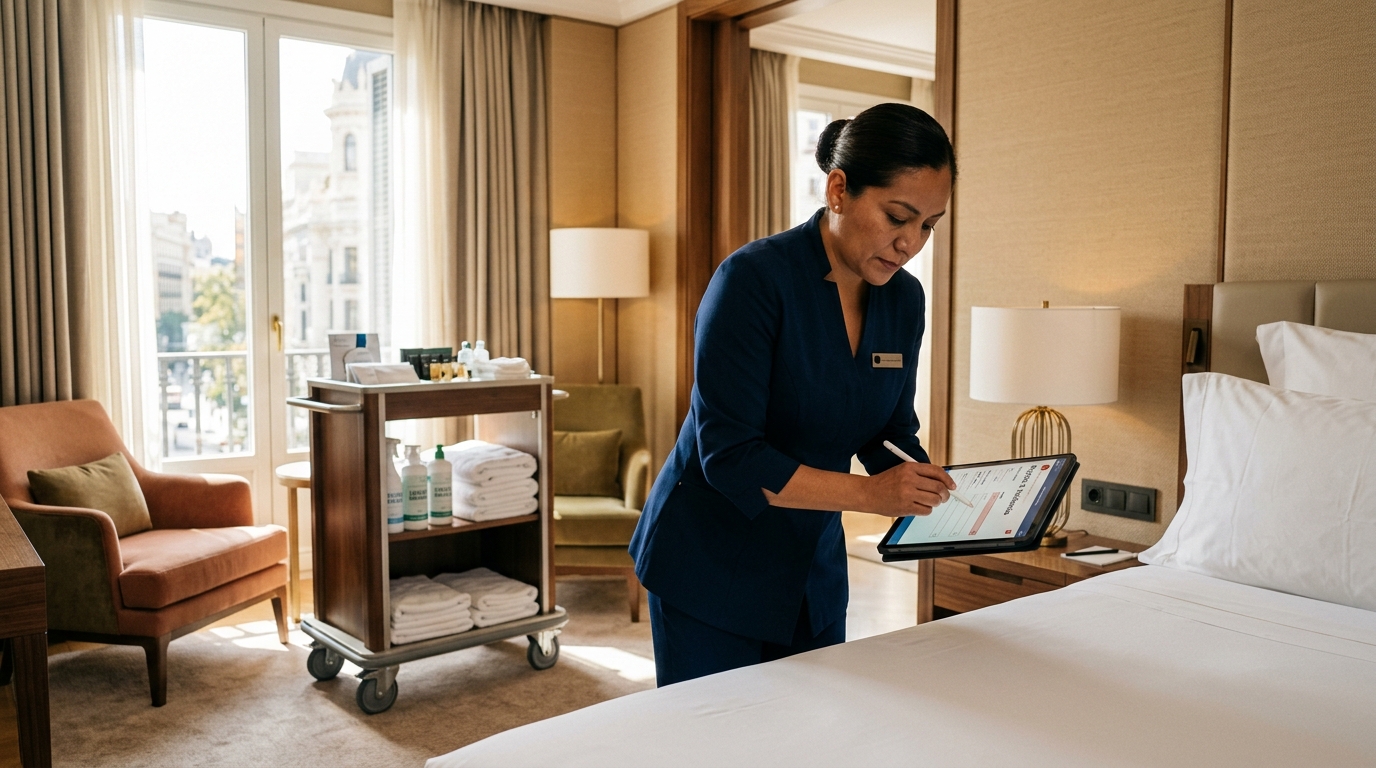
Hotel Housekeeping: Digitalize Sheets and Incidents 2026
How to digitalize hotel housekeeping: cleaning sheets, incidents, and communication with reception to improve productivity and NPS.
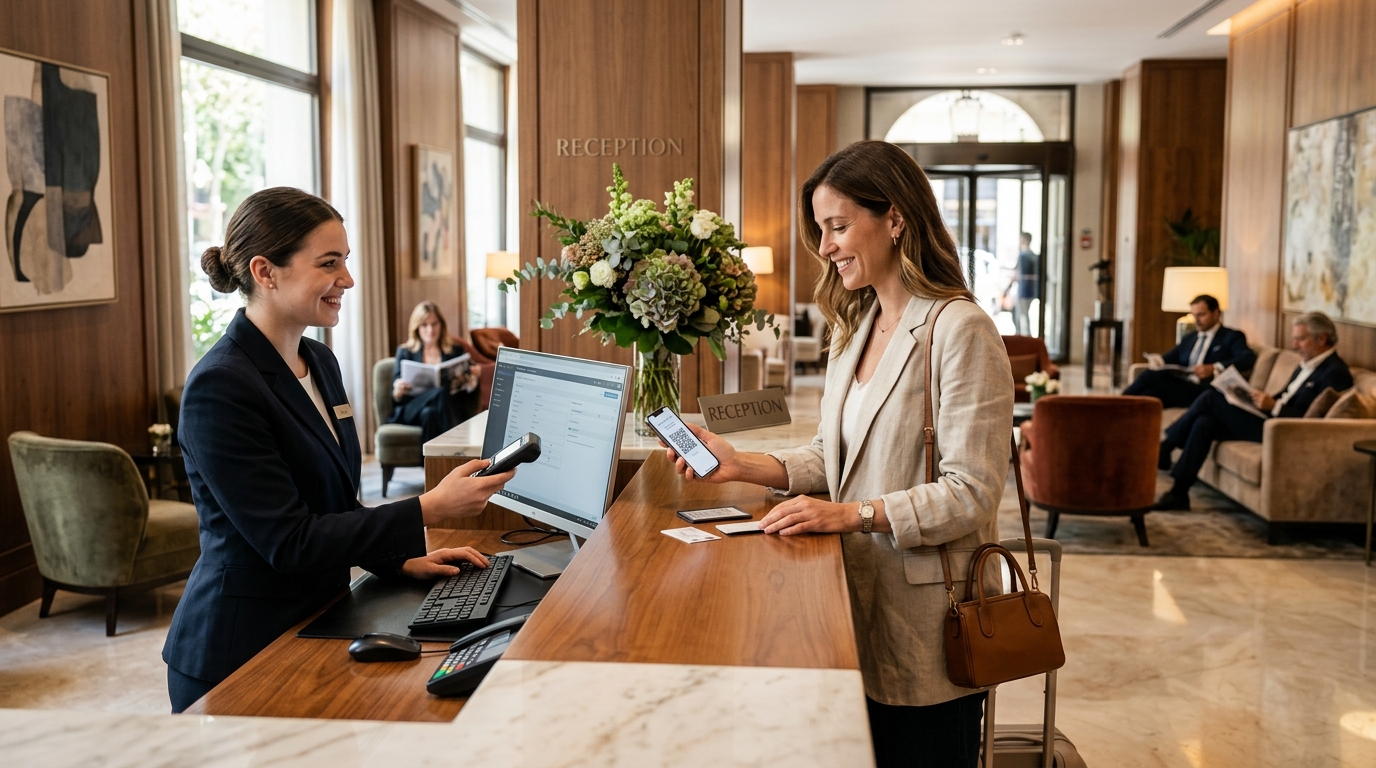
Hotel Check-in Times: How to Reduce Them with Online PreCheck-in
Practical guide on hotel check-in times and how Online PreCheck-in reduces queues, improves NPS, and frees up front desk time.
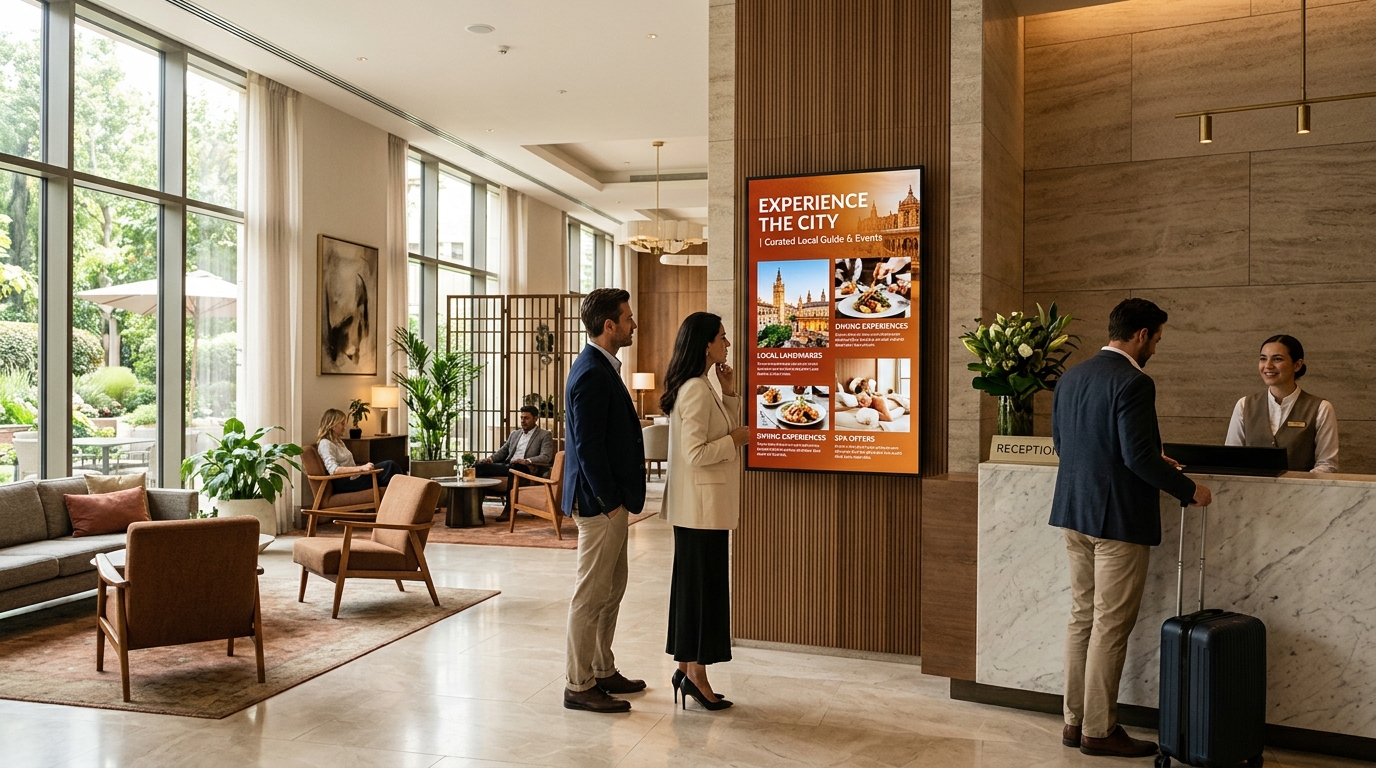
Hotel Digital Signage: Maximize In-Stay Visual Impact
How to design a hotel digital signage strategy that increases ancillary revenue, optimizes guest flows, and improves the guest experience.
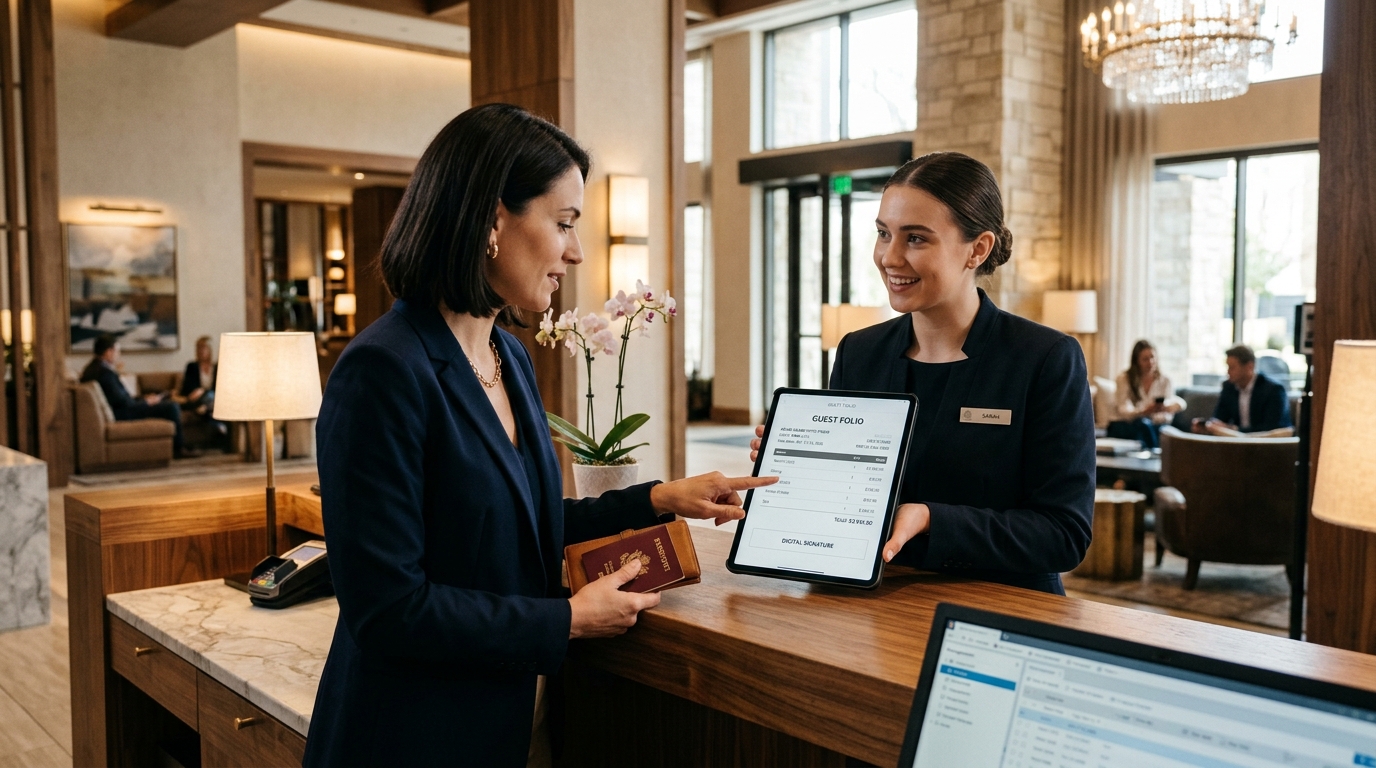
What Is a Hotel Folio: Guide to Digitalizing It in 2026
What is a hotel folio, how does it work, and why digitalizing it improves operations, GOP, and the guest experience in modern hotels.
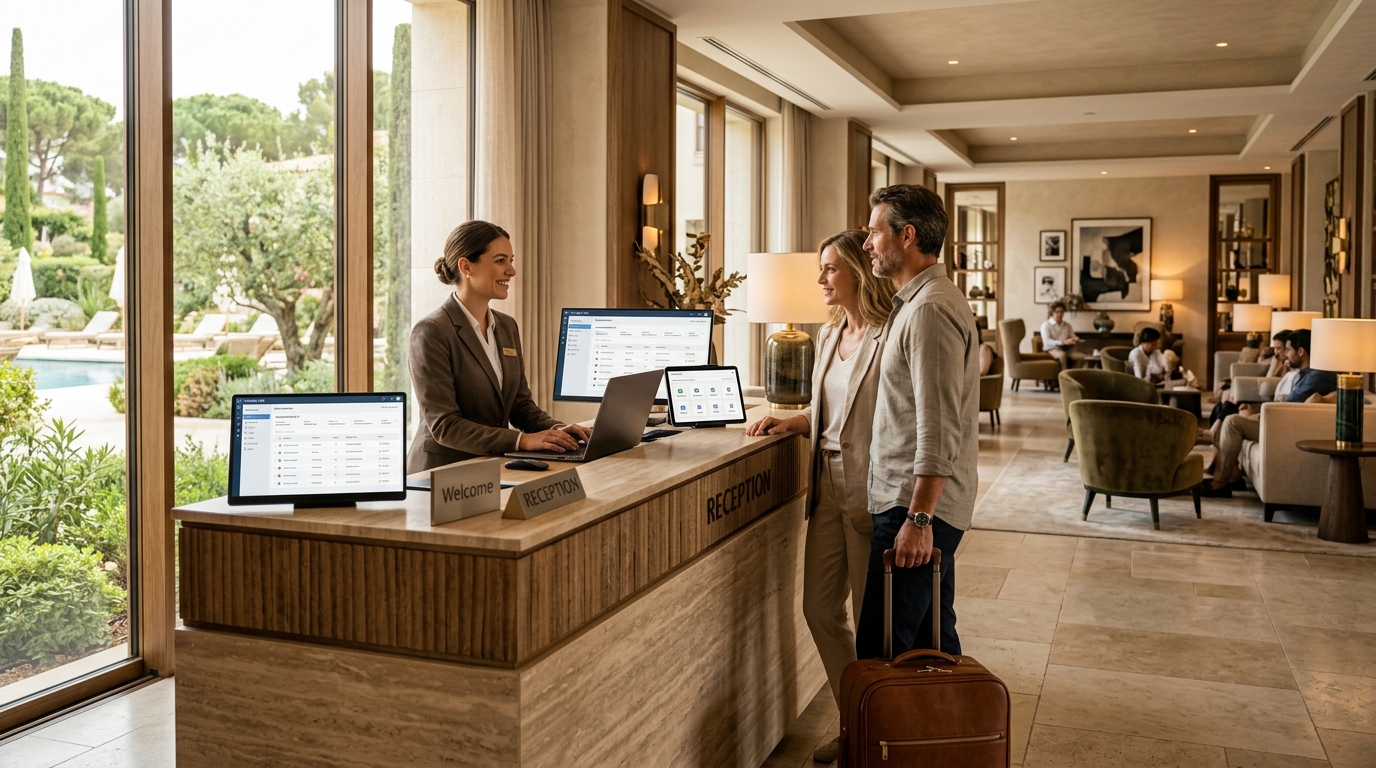
Hoteligy CMS: Everything Your Hotel Needs in One
Discover how Hoteligy's 360 CMS unifies WebApp, Signage, TV, AiChat, and operational modules into a single platform. Real cases and results.
Hotel Innovations 2026: Transforming the Experience
Discover the hotel innovations redefining the guest experience in 2026: WebApp, AI, Digital Signage, and more.
Hotel Guest WebApp: Maximize Your Organic Visibility
How a well-implemented Guest WebApp multiplies your organic visibility, improves local SEO, and converts guests into ancillary revenue.
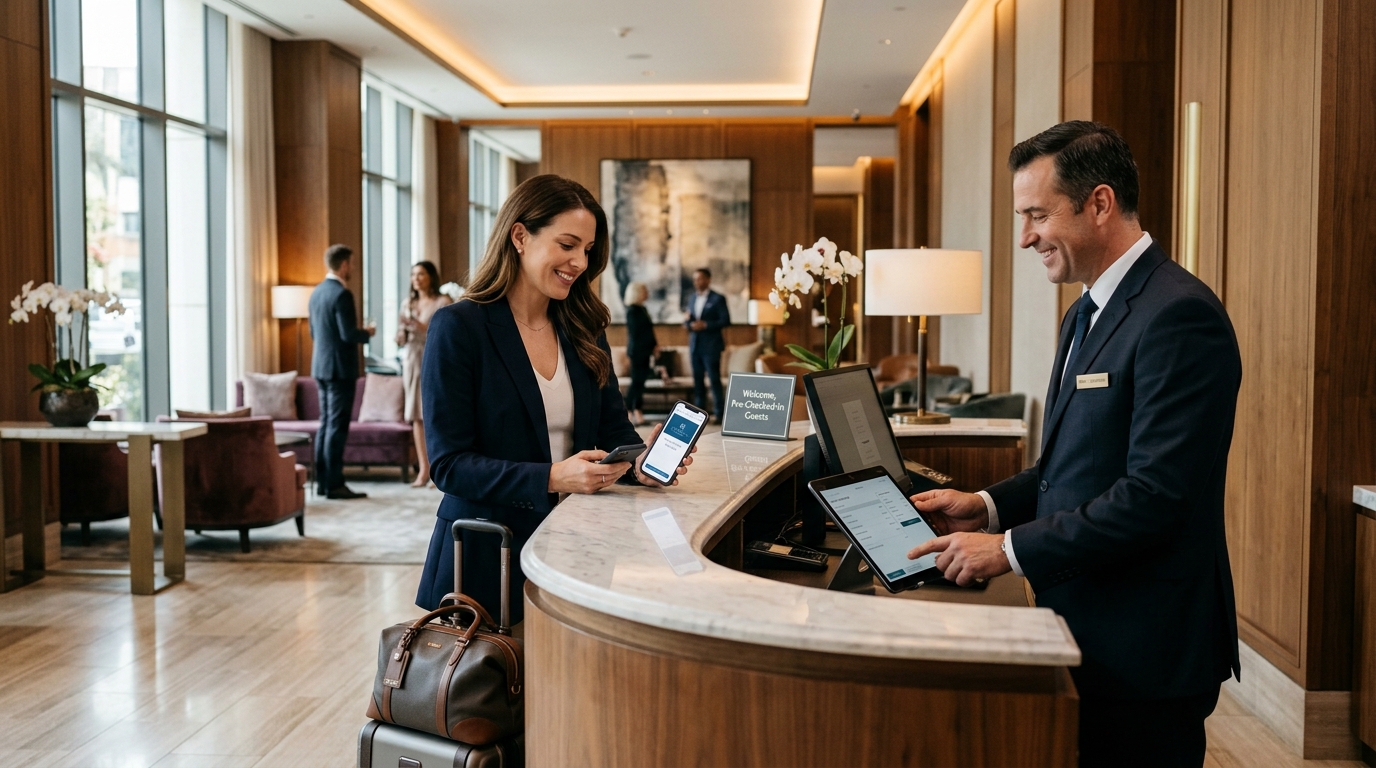
Online Pre-Check-in for Hotels: The Complete 2026 Guide
A practical guide to online pre-check-in for hotels: operational flow, PMS integration, upselling, and KPIs to reduce queues and increase ancillary revenue.
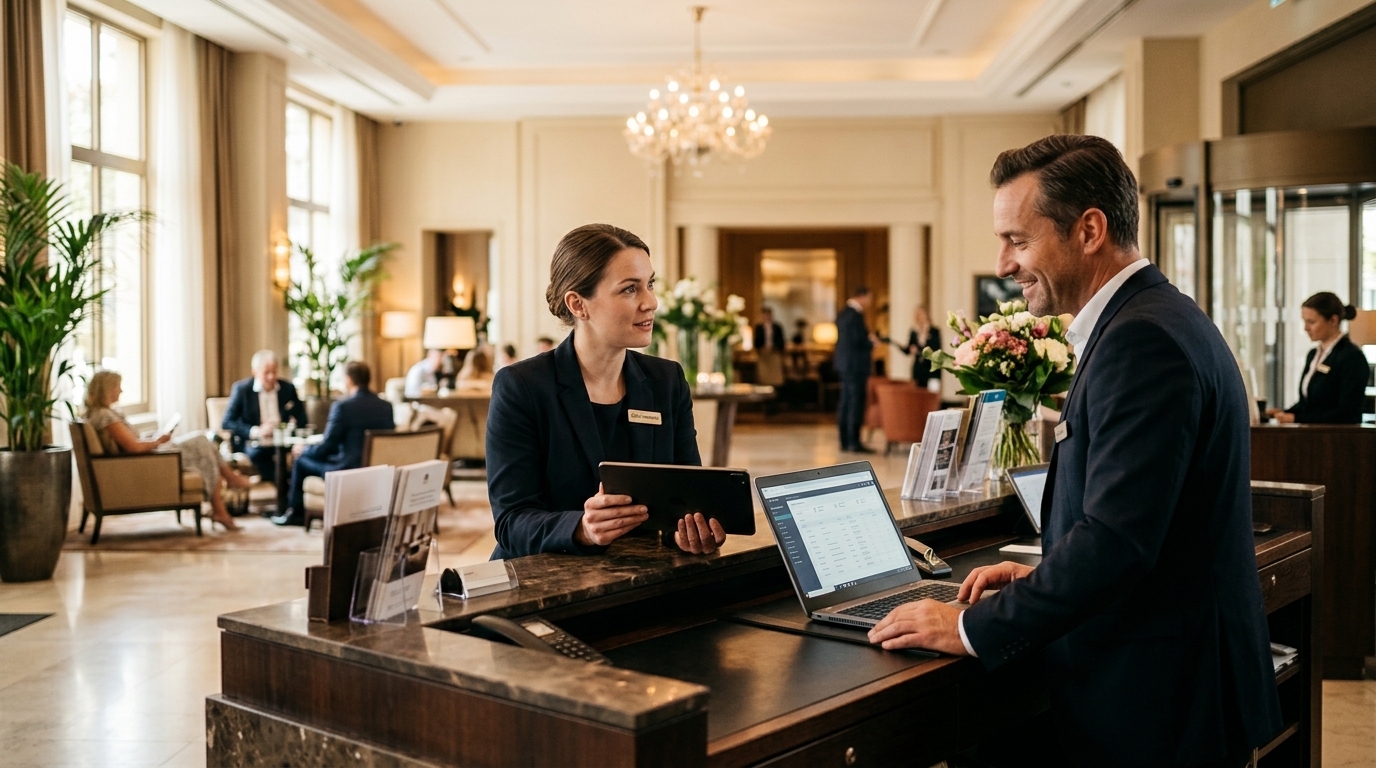
Hotel 360 CMS: advantages of a single provider
Discover why managing WebApp, Digital Signage, Smart TV, kiosks and AI chatbot from a single CMS reduces costs and simplifies operations.

The sunbed war: the ruling that changes the rules
A hotel ordered to pay €1,000 for failing to guarantee contracted sunbeds. What this ruling means and how to avoid similar claims.
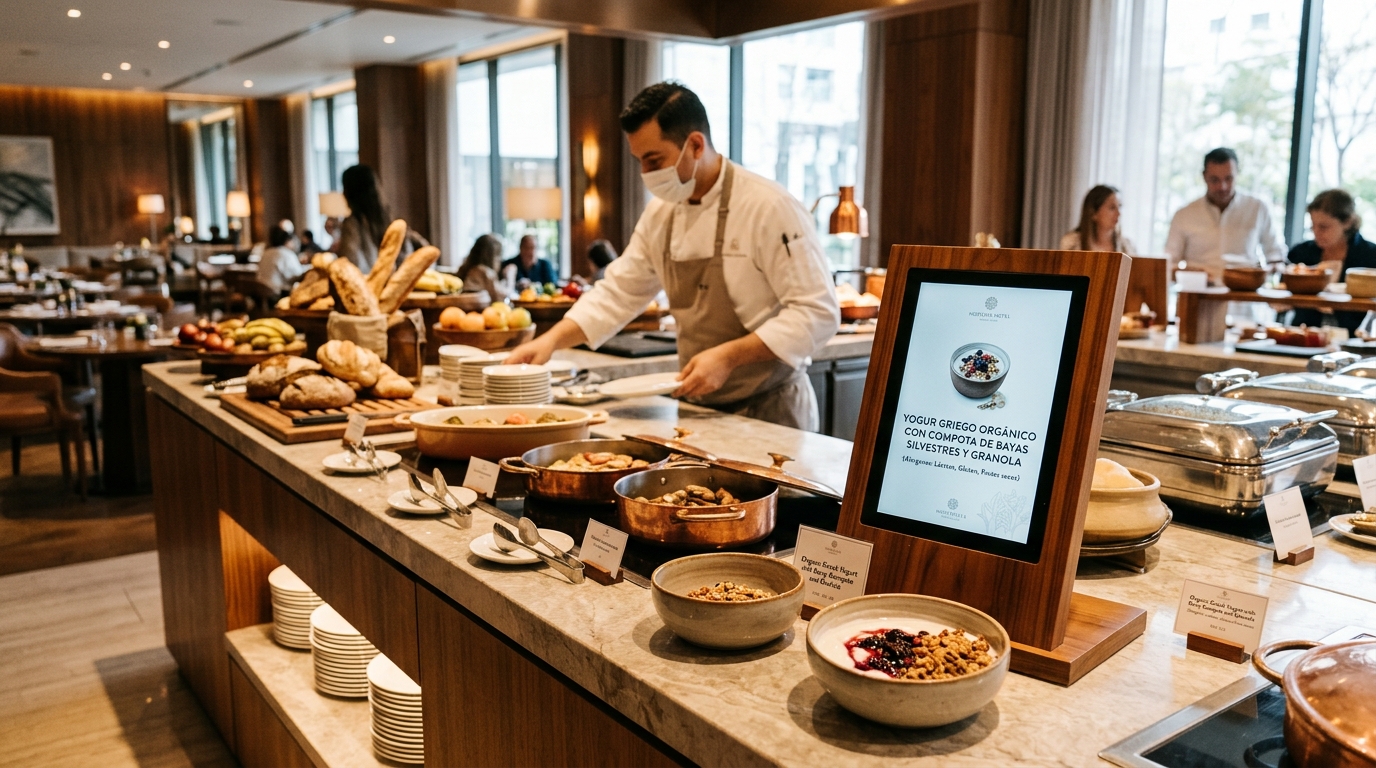
Digital Buffet Signs: How to Modernise Your Buffet in 2026
Discover how digital buffet signs transform the buffet experience in hotels, improve operations and increase ancillary revenue.
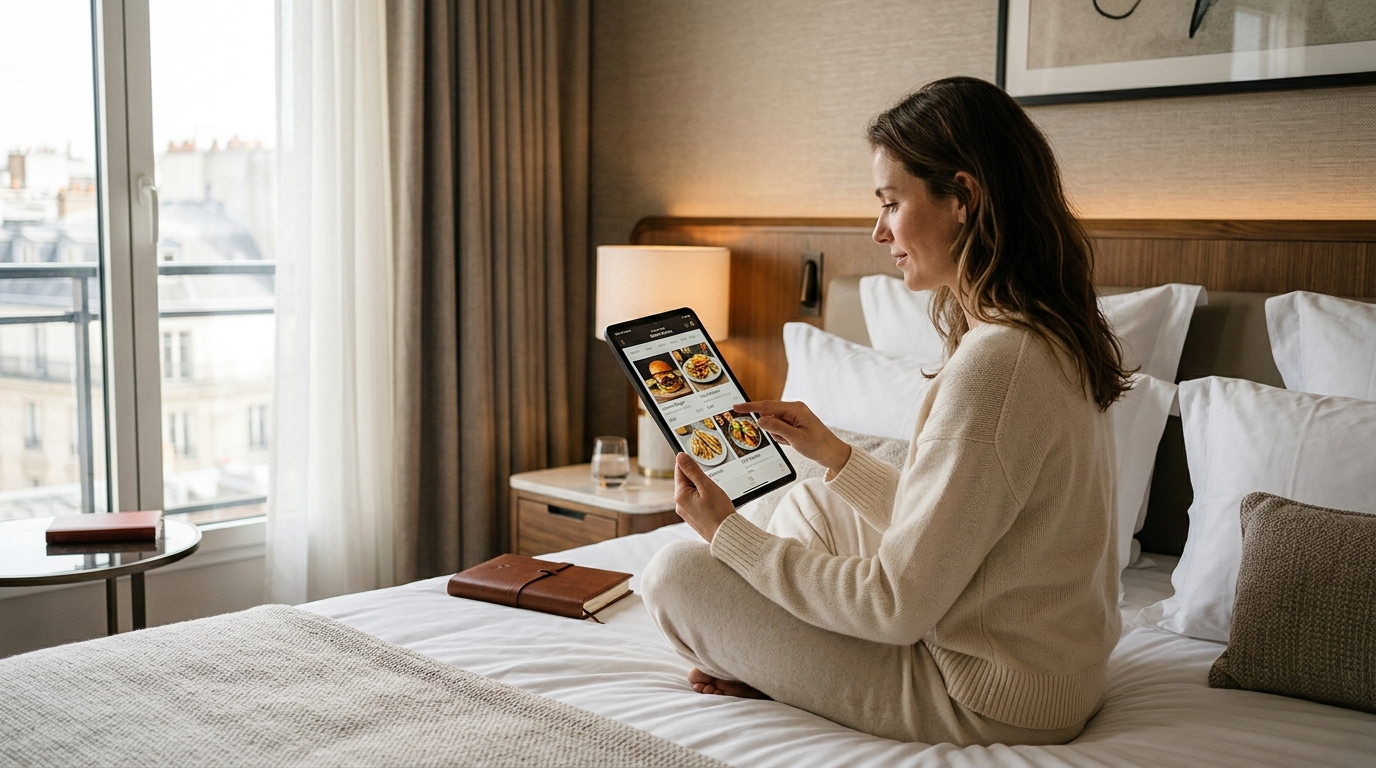
Digital Room Service: How to Increase Orders Without Phone Calls
Discover how digital hotel room service eliminates operational friction and increases ancillary revenue without relying on the phone. Practical guide.
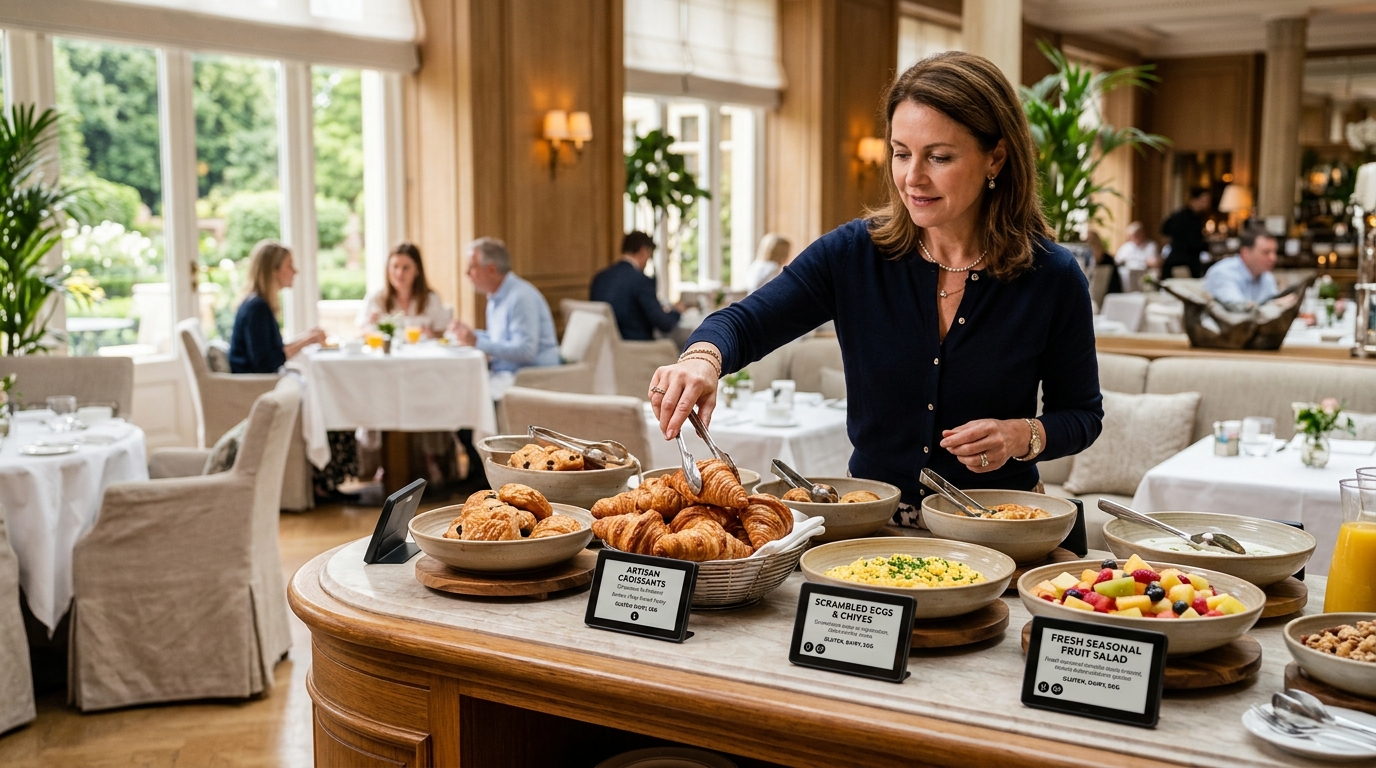
Digital Buffet Tags for Hotels: Complete Guide 2026
Everything hotel operators need to know about digital buffet tags: how they work, what to look for, and how to drive ancillary revenue at the buffet.
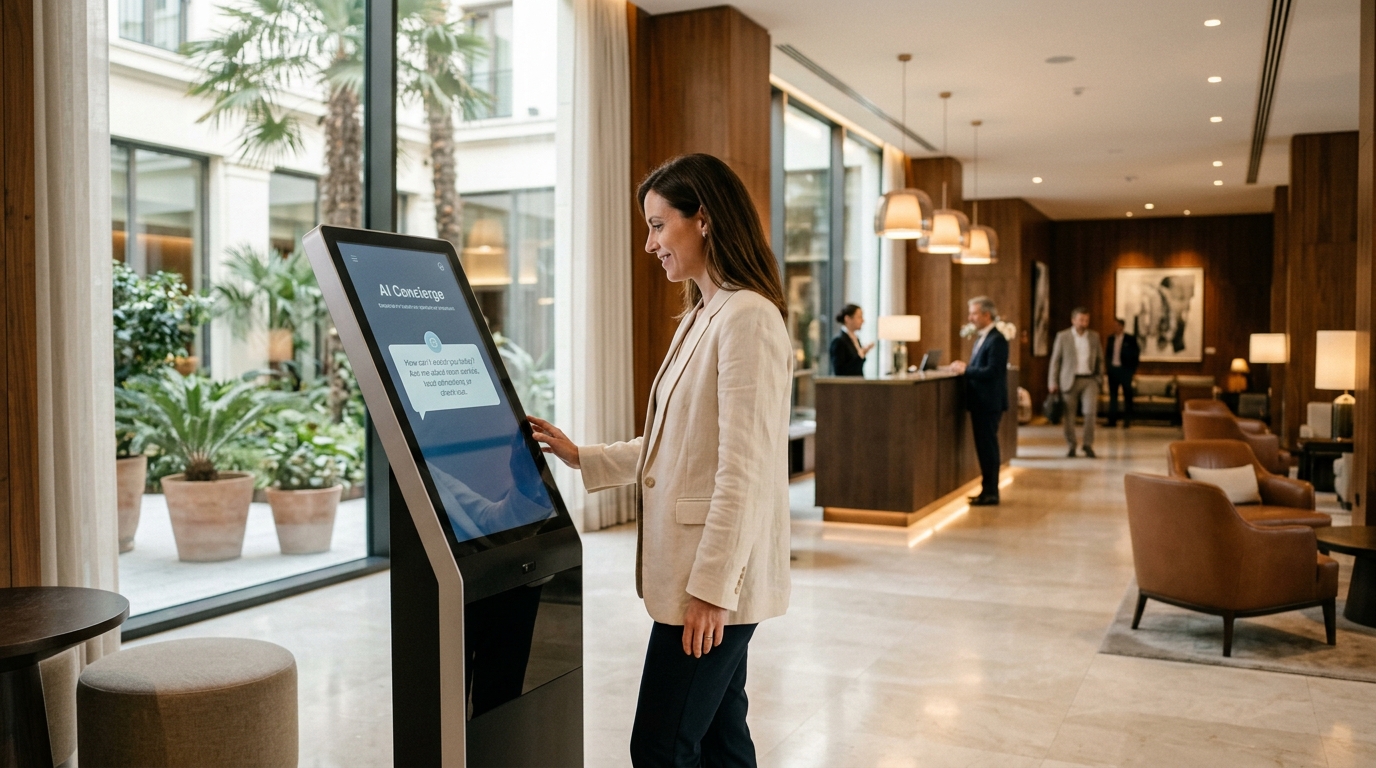
AI chatbot for hotels: how to reduce the load on reception
Discover how an AI chatbot for hotels automates guest service, reduces operational load at reception and improves NPS without adding staff.
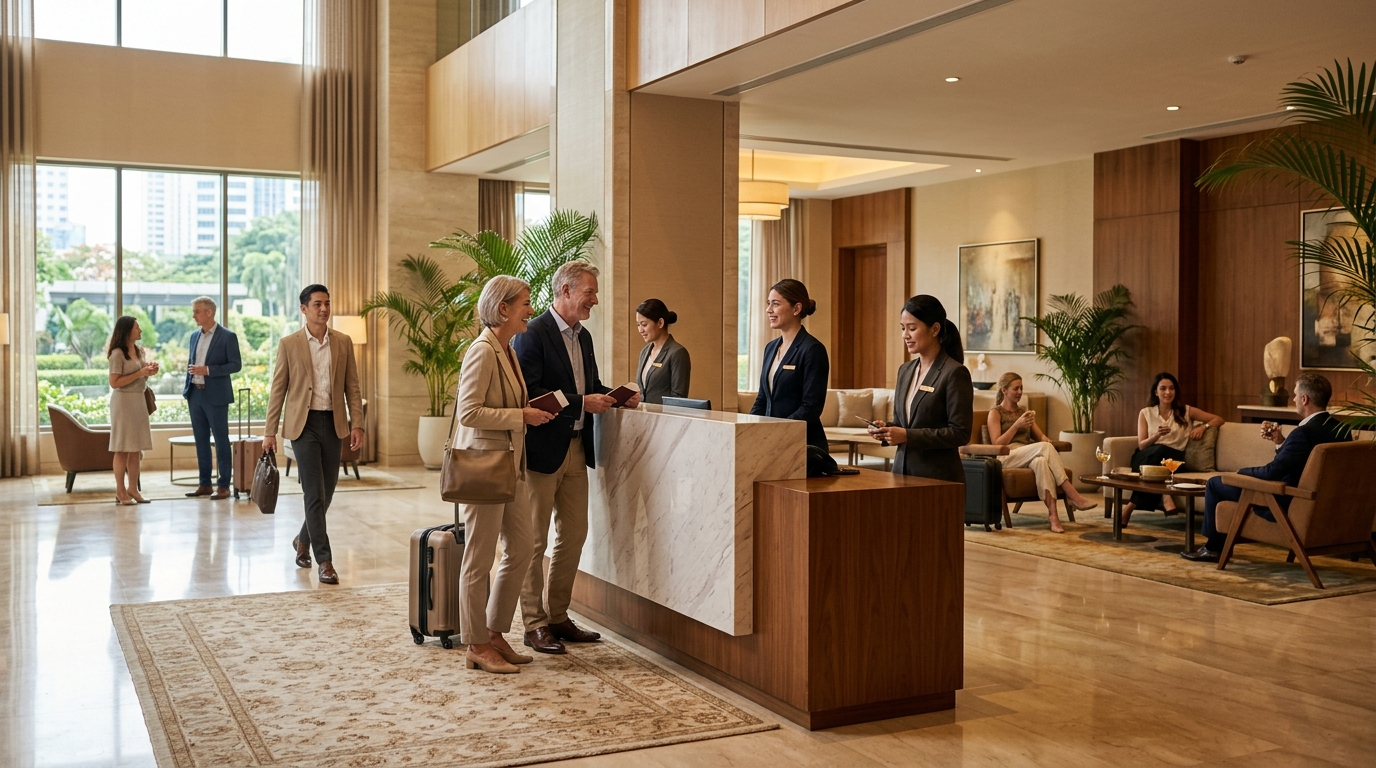
Hotel Crowd Control: Fewer Queues, More Satisfaction
Manage pool, gym and spa capacity in real time. Discover how crowd control in hotels improves the guest experience and reduces operational incidents.
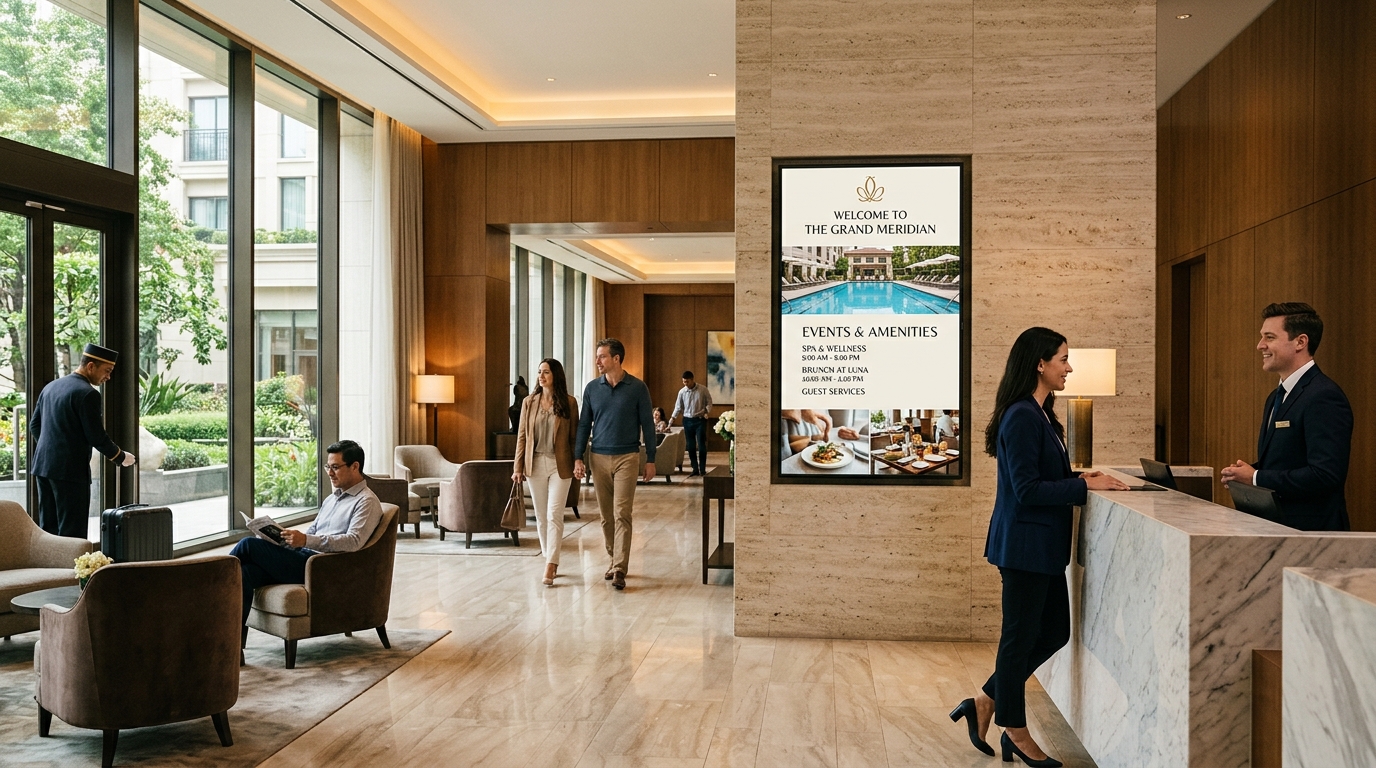
Digital Signage in Hotels: A Practical Guide
Discover how to leverage digital signage in hotels to improve the guest experience, increase ancillary revenue and optimise operations.
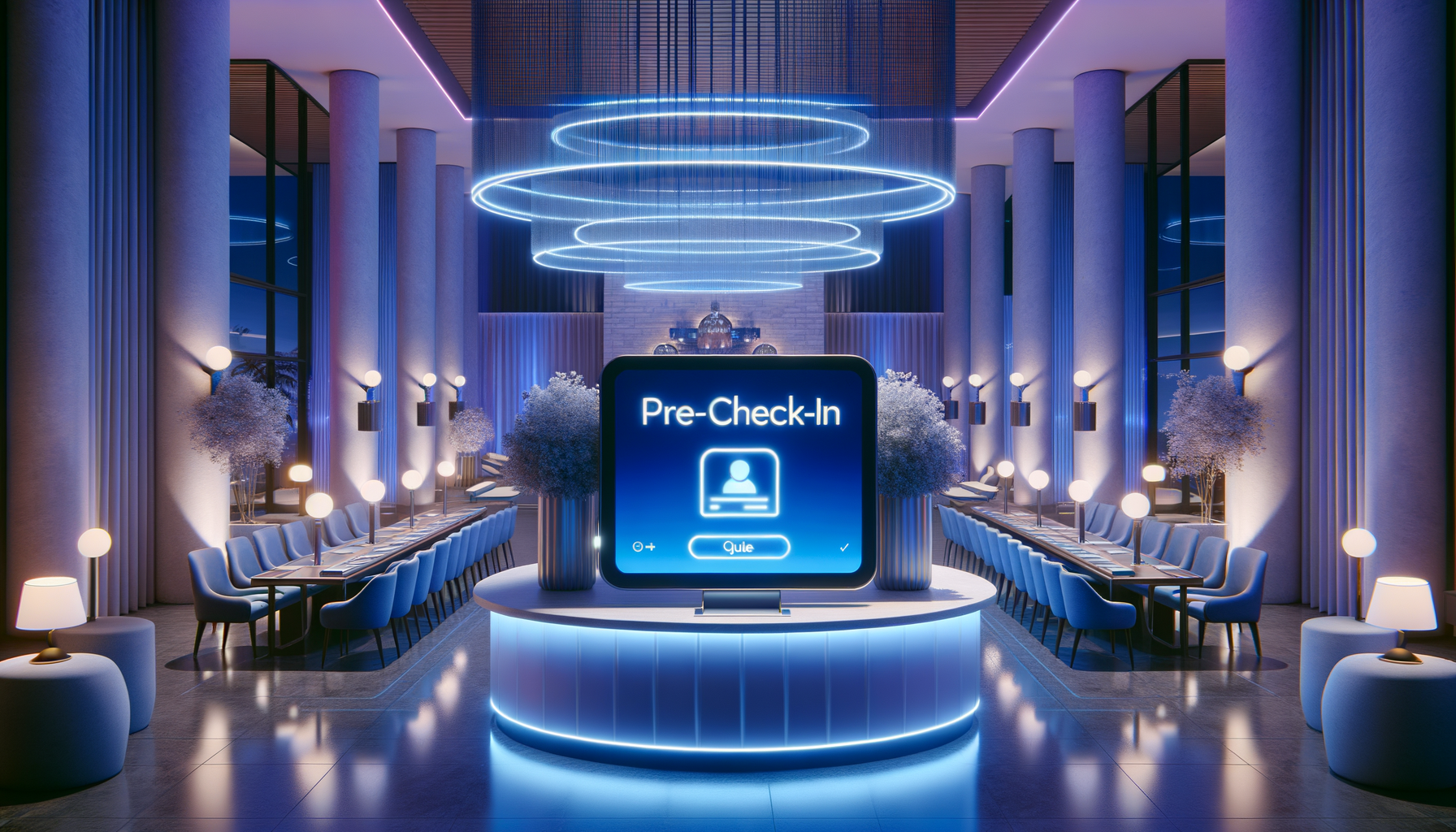
Online Pre Check-in: reduce queues and improve your NPS
How online hotel pre-check-in transforms the guest's arrival, eliminates waiting at reception and directly improves NPS. A practical guide.

Hotel upselling: how to sell more to in-house guests
Discover practical hotel upselling strategies to increase TRevPAR and ancillary revenue without relying on the room rate.
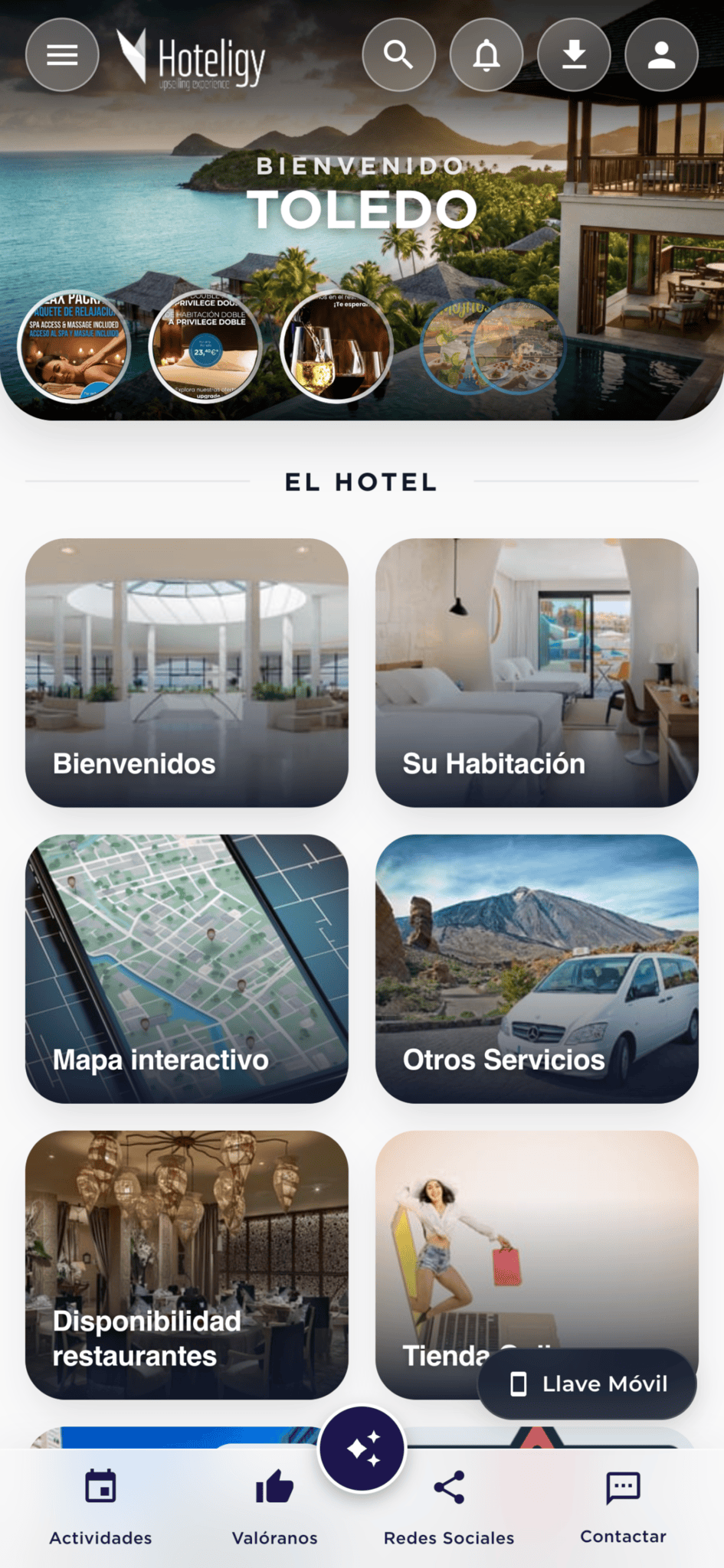
Introducing the new WebApp redesign for 2026
The biggest redesign in our history: 80% of the interface rewritten from scratch and over 30 functional improvements. A new guest experience, more upselling, and less operational friction.

The Guest Experience in the Hotel Industry
Guest experience is a decisive factor for hotel success. Discover how digitalisation and the Guest Experience Manager transform every interaction.

How to Surprise Your Guests on Valentine's Day with Hoteligy
Valentine's Day is an opportunity to create memorable experiences at your hotel. Discover 5 digital strategies to make your guests fall in love.
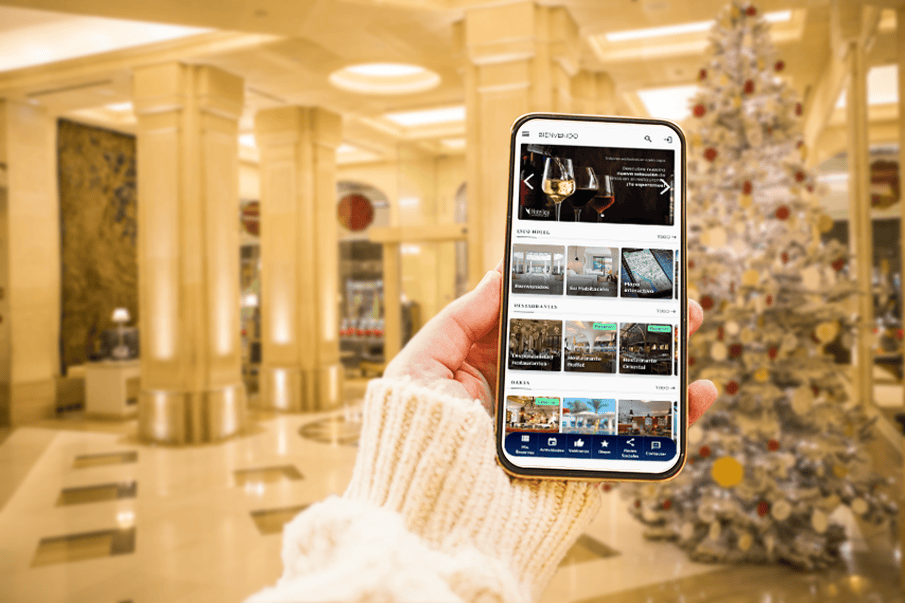
How to optimise your App for the Christmas Season?
5 strategies to maximise the potential of your hotel webapp during Christmas and New Year. Increase revenue and improve the guest experience.
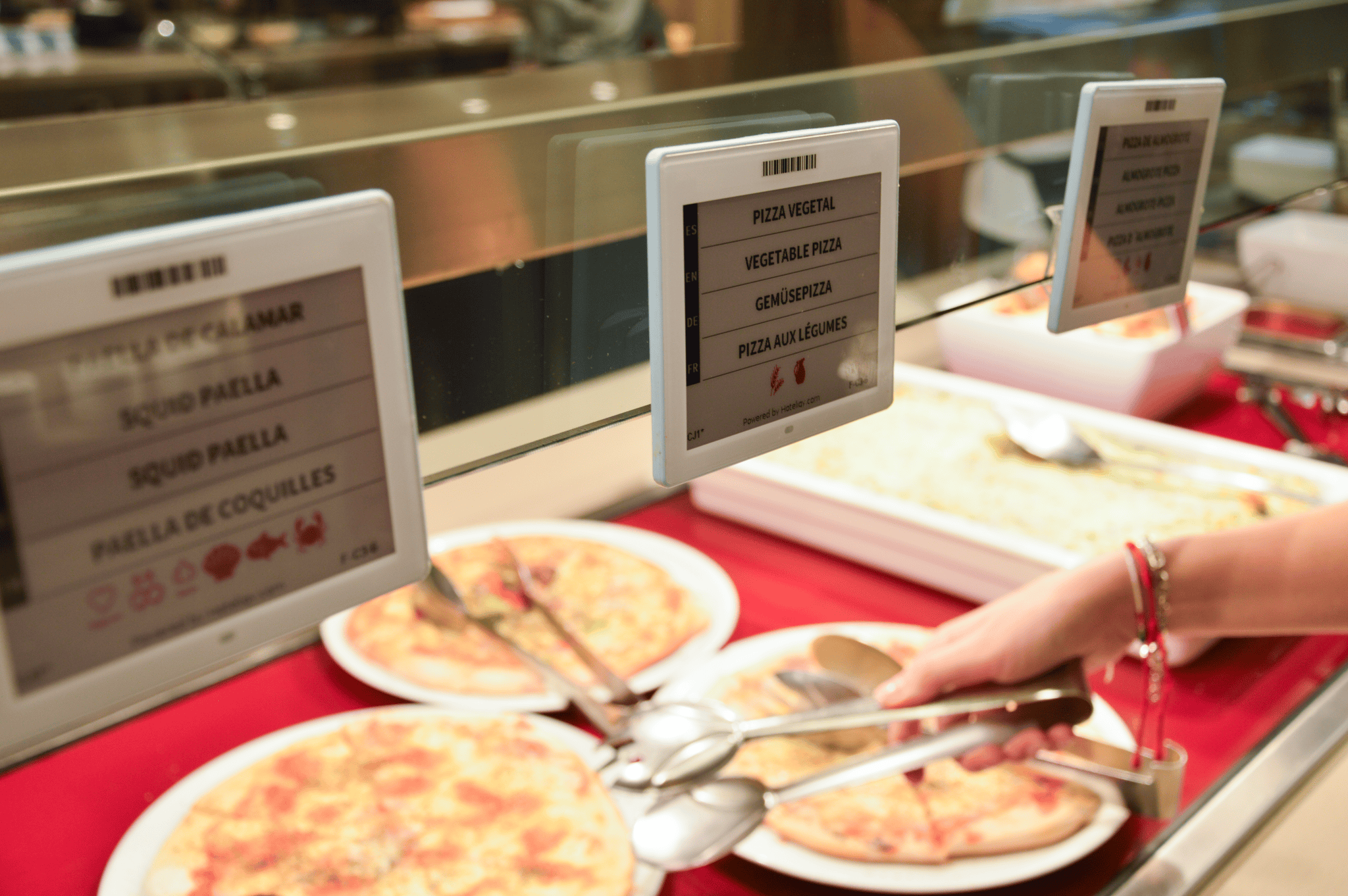
Hotel buffet labelling: how much can digital save you?
Real cost analysis of manual buffet labelling vs digital labels. Discover the annual savings in staffing, printing and operational efficiency.
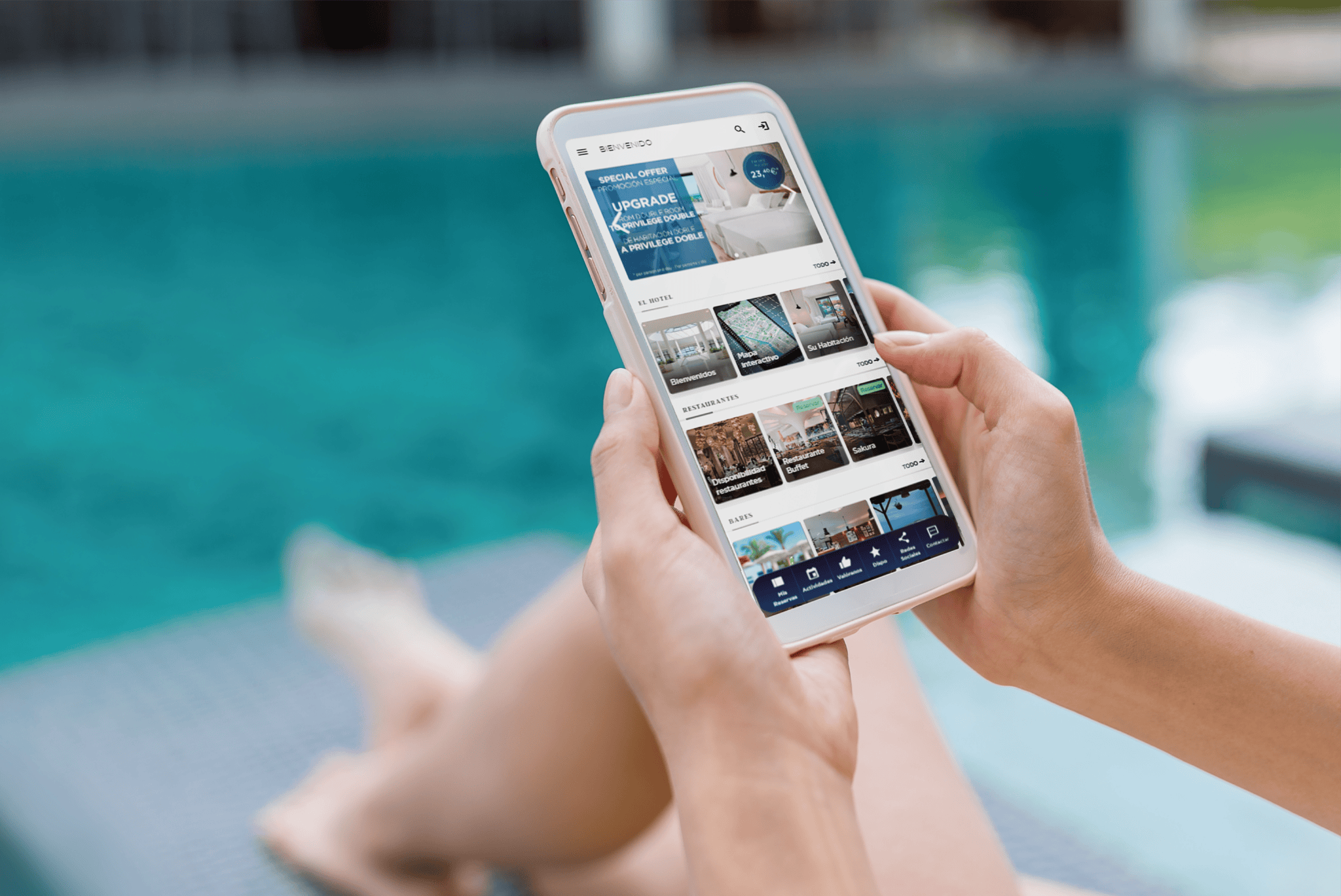
3 Strategies to Increase Your Hotel's Revenue with a Guest App
Discover how a Guest App can be your best ally for generating additional revenue: online store, service bookings, and integrated payments.
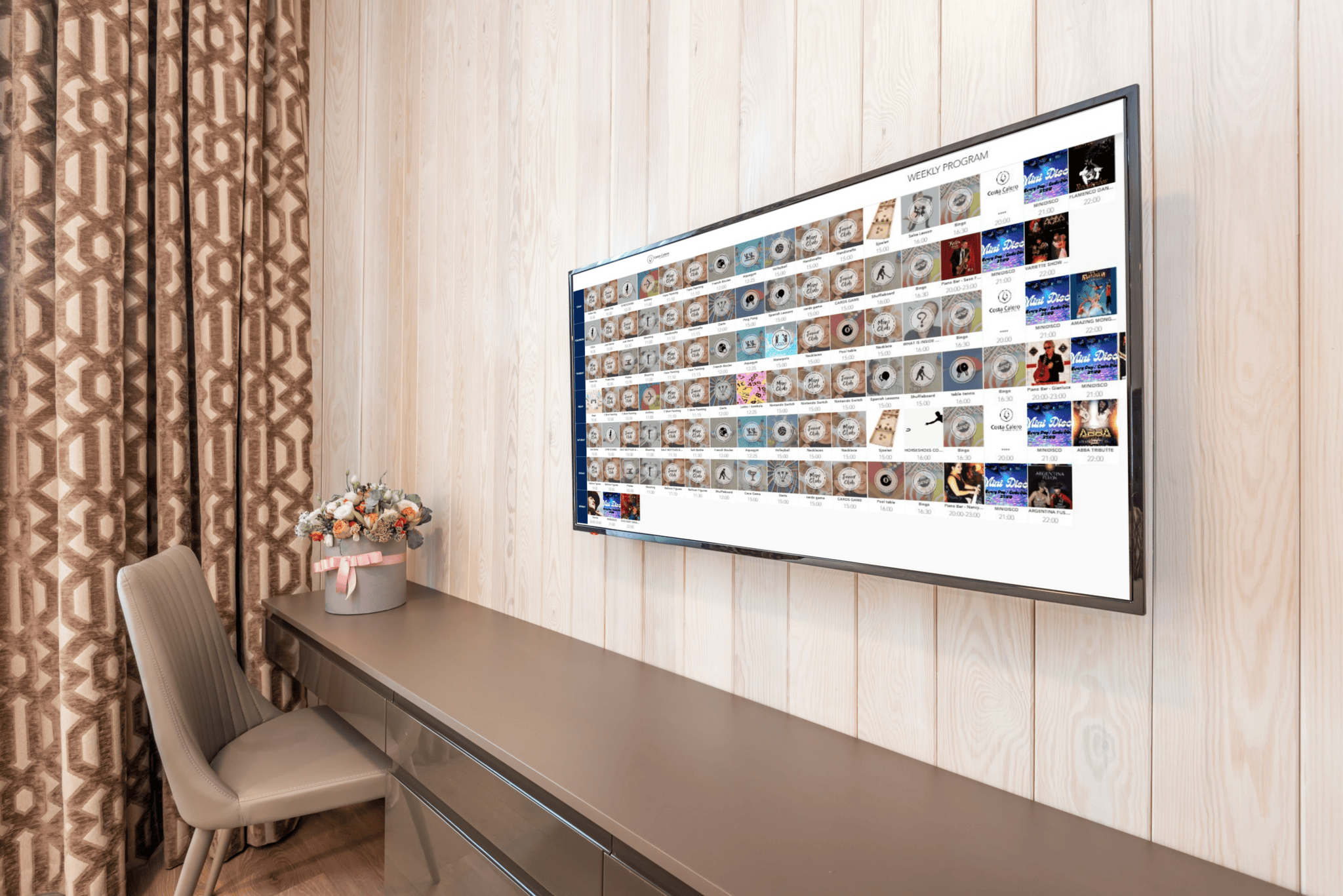
It's time to digitise your hotel's Entertainment department
Paper activity schedules are a thing of the past. Discover how to digitalise your entertainment department with automatic agendas, online bookings and notifications.

Advantages of digital hotel directories
Printed in-room directories are a thing of the past. Discover the advantages of digital directories: cost savings, real-time updates, and personalisation.
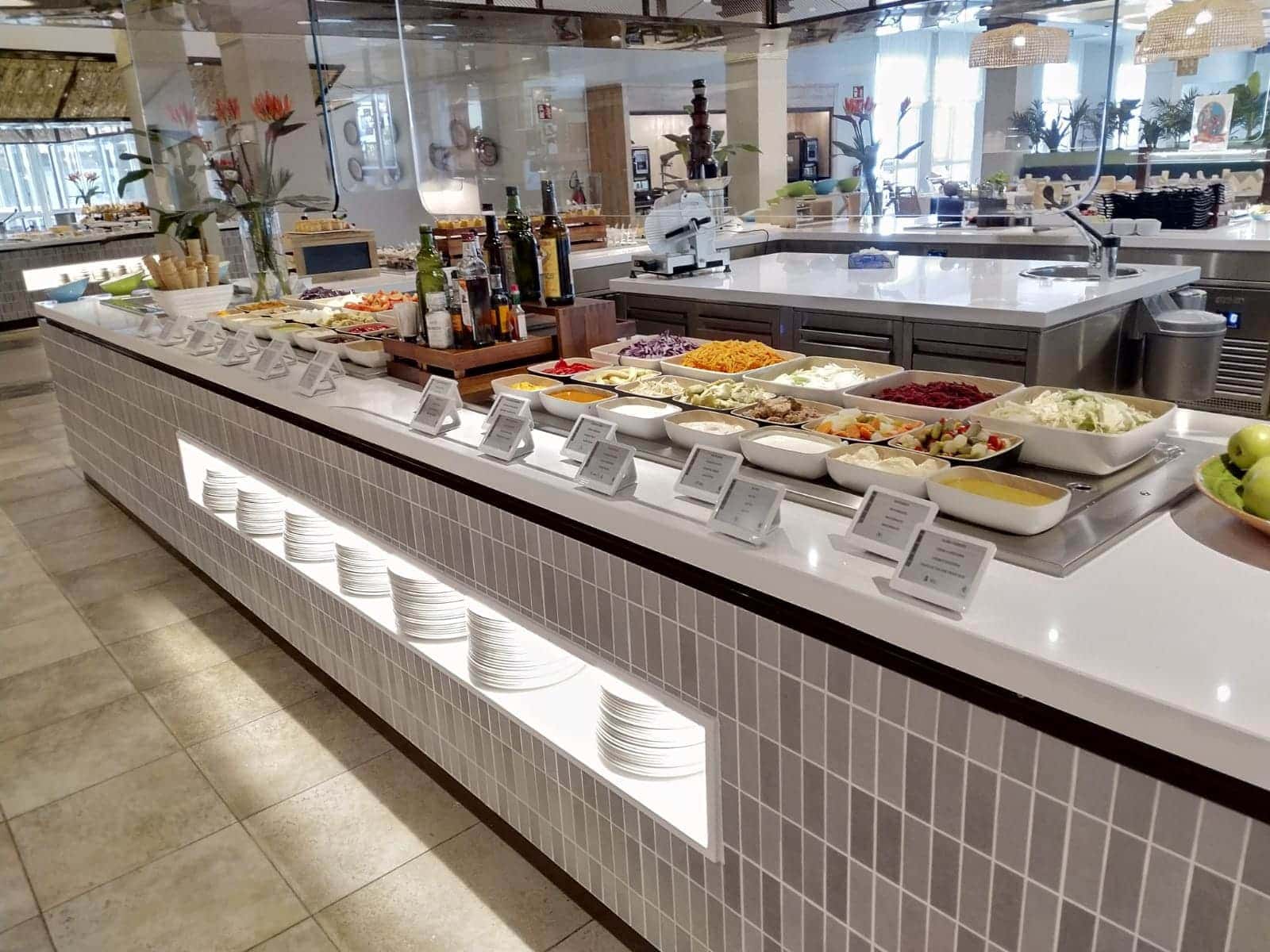
5 doubts about digitalising your buffet labels
Electronic buffet labels? We answer the 5 most common questions: fit, ease of use, battery life, warranty and return on investment.
Ancillary revenue for hotels: how to earn extra income
The airline ancillary revenue concept applied to hotels. Sell extras like late checkout, spa, transfers and experiences from a Guest App.

We're Launching a New Module: Treatments & Spa
New spa management module for hotels. Online bookings, therapist and cabin calendar, integrated payments, and full management from the backoffice.
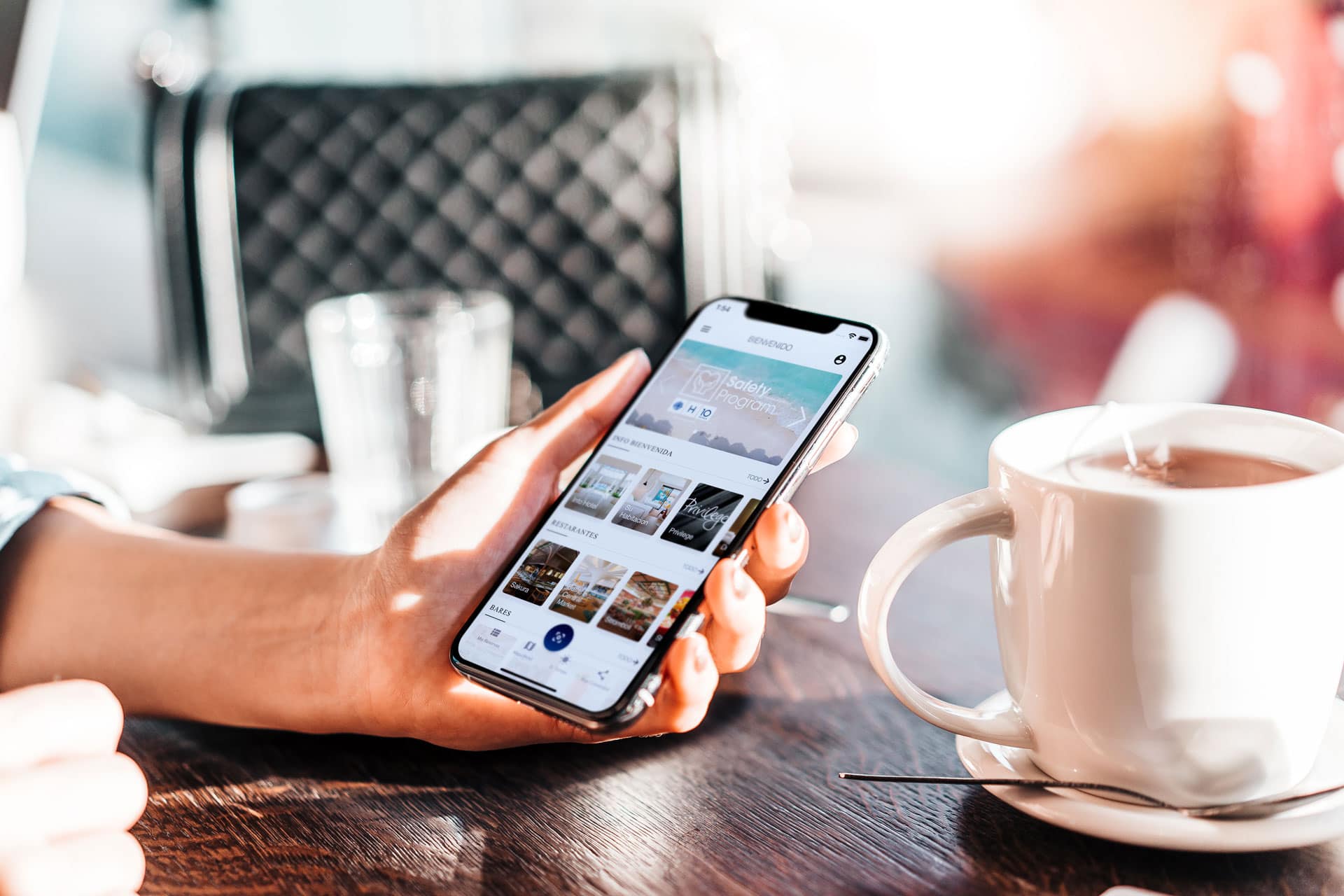
WebApps vs Native Apps: advantages and differences
WebApp or Native App for your hotel? We compare security, installation, speed, updates, and shareability between PWAs and native apps.
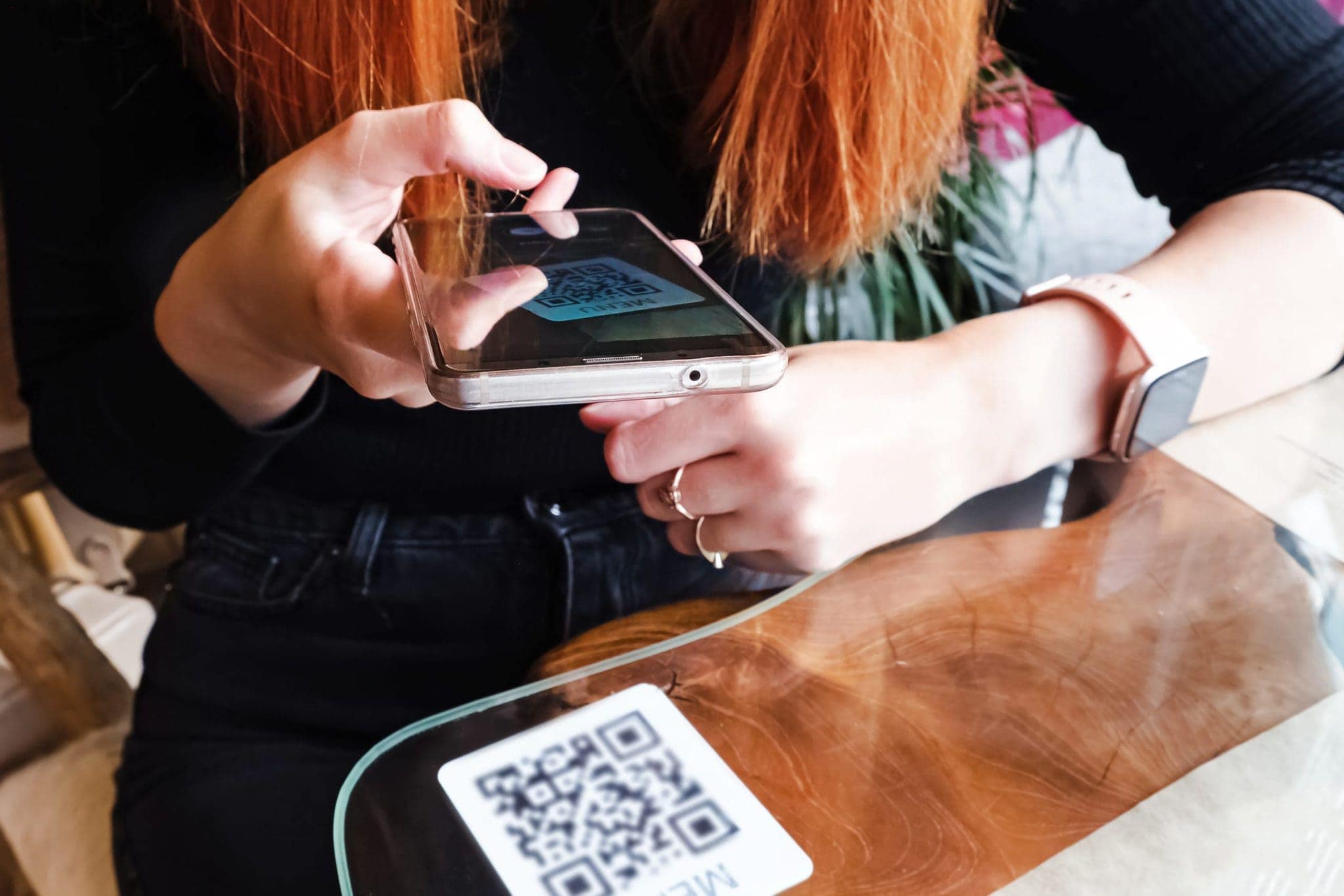
How to choose the best QR digital menu for your hotel
Not all QR digital menus are equal. See what features a professional menu needs: allergens, multilingual, search, variations and ordering.
Looking for more hotel resources?
Download our free dossiers and complete product guides.